![Air Fryer Shrimp [Crispy, Healthy, 15-Minute Recipe]](https://airfrycentral.com/wp-content/uploads/2026/03/air-fryer-shrimp.png)
Air Fryer Shrimp [Crispy, Healthy, 15-Minute Recipe]
Why Is the Air Fryer the Best Way to Cook Shrimp?
Last updated: April 2026
PrintAir Fryer Shrimp
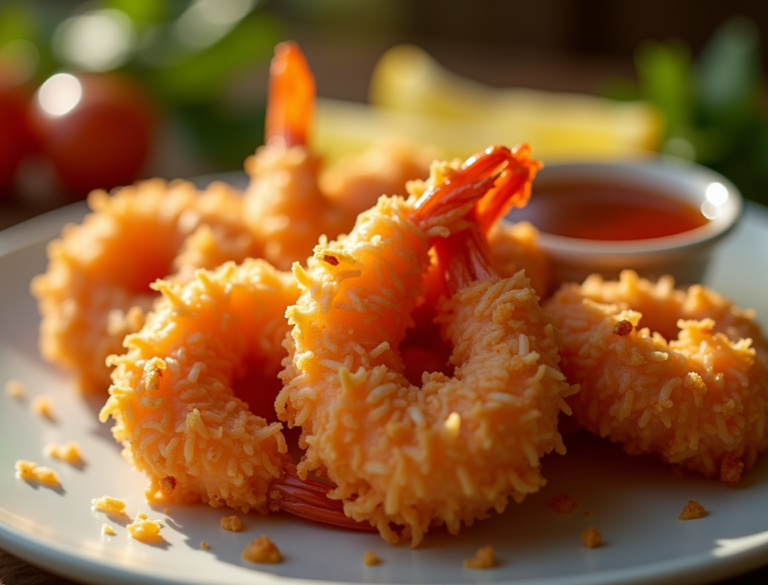
Crispy, lightly browned shrimp seasoned with smoked paprika and garlic, cooked at 400°F in just 6–8 minutes with minimal oil. A fast, low-maintenance protein that works as a main course or meal-prep staple.
- Prep Time: 8 minutes
- Cook Time: 8 minutes
- Total Time: 15 minutes
- Yield: 4 servings 1x
- Category: Dinner
- Method: Air Fryer
Ingredients
- 1 lb large shrimp (31/40 count), peeled and deveined
- 1 tablespoon olive oil (or avocado oil)
- 1 teaspoon garlic powder
- 1 teaspoon smoked paprika
- 1/2 teaspoon kosher salt
- 1/4 teaspoon black pepper
- 1/4 teaspoon onion powder (optional)
- Pinch of cayenne (optional)
- Lemon wedges, for serving
Instructions
- If using frozen shrimp, thaw completely and rinse under cold water. Pat shrimp thoroughly dry on both sides with paper towels — surface moisture prevents browning. Peel and devein if not already done.
- Place dried shrimp in a medium bowl. Add olive oil, garlic powder, smoked paprika, salt, pepper, and any optional seasonings. Toss until every shrimp is evenly coated.
- Preheat the air fryer to 400°F (205°C) for 3 minutes.
- Arrange shrimp in a single layer in the basket without touching or overlapping. Cook in batches if needed.
- Cook at 400°F for 6–8 minutes (adjust by size; see notes), shaking the basket once at the midpoint. Shrimp are done when pink-orange throughout, edges are lightly browned, and they have curled into a loose C-shape. Serve immediately with lemon wedges.
Notes
Size guide: Extra small/small (61–90 ct): 4–5 min. Medium (41–60 ct): 5–6 min. Large (31–40 ct): 6–8 min. Jumbo/extra jumbo (16–30 ct): 8–10 min. Use the upper bound for doneness.
Fresh vs. frozen: Frozen shrimp is often fresher than thawed seafood-counter shrimp. Thaw overnight in the refrigerator or quickly under cold running water; pat completely dry before seasoning.
Single layer is critical: Overlapping shrimp steam each other and turn out pale and soft. Cook in batches rather than crowding the basket.
Doneness cue: A loose C-shape = perfectly cooked. A tight O-shape = overcooked. A straight line = undercooked. USDA recommends an internal temperature of 145°F (63°C).
No-oil option: Substitute 1 beaten egg white for the oil — it provides adhesion and a slightly crisp exterior with no added fat.
The air fryer is the best way to cook shrimp because it delivers perfectly cooked shrimp in just 5–8 minutes while dramatically reducing the risk of overcooking — the main way to ruin shrimp. The similar quick cooking method also works well for other seafood, making the air fryer a versatile kitchen tool.
KEY TAKEAWAYS
- Perfect timing: Cooks in 5–8 minutes at 400°F, dramatically reducing the overcooking window
- Superior browning: Circulating hot air creates a lightly seared exterior that boiling and steaming cannot achieve
- Minimal oil: Requires just 1 tablespoon of oil per pound, far less than pan-frying or deep-frying
- Low-maintenance: Set the timer and check once—no constant stirring or careful monitoring required
- Meal-prep friendly: Cook a batch on Sunday and use throughout the week in salads, bowls, tacos, and pasta
The air fryer resolves all of these problems. A single layer of shrimp in a preheated 400°F air fryer cooks in 5–8 minutes flat, with the circulating air creating light browning on the exterior that a pot of boiling water never can. The speed of air frying also dramatically reduces the window in which shrimp can overcook — by the time you might start worrying, they are already done and pulled. No oil needed. No splatter. The entire cook-to-plate process takes under 15 minutes from a cold start.
Air fryer shrimp also excels as a meal prep protein. Cook a batch on Sunday, refrigerate or freeze, and add to salads, bowls, tacos, pasta, or stir-fries throughout the week.
What Shrimp Should You Use for the Air Fryer?
For air frying, large (31/40 count) or jumbo (21/25) shrimp work best because they cook evenly in 6–8 minutes without the overcooking risk of smaller shrimp. Shrimp is sold by count per pound — the lower the number, the larger the shrimp. For air frying, size matters significantly for controlling doneness:
| Shrimp Size | Count per lb | Air Fry Time at 400°F | Best For |
|---|---|---|---|
| Extra Small / Small | 61–90+ | 4–5 minutes | Tacos, stir-fries, pasta |
| Medium | 41–60 | 5–6 minutes | Salads, bowls, appetizers |
| Large | 31–40 | 6–8 minutes | Main course, skewers |
| Jumbo / Extra Jumbo | 16–30 | 8–10 minutes | Show-piece appetizers, entrees |
For most recipes, large (31/40) or jumbo (21/25) shrimp offer the best balance of cooking speed, handling ease, and visual appeal. Extra-small shrimp can be done in 4 minutes and are easy to overcook; they are best for applications where you are mixing them into a sauce or dish rather than eating them as a featured protein.
Fresh versus frozen: Frozen shrimp is excellent for air frying — in most cases, frozen shrimp is actually fresher than “fresh” shrimp at the seafood counter, which was typically frozen on the boat and thawed before display. Buy frozen, thaw overnight in the refrigerator (or quickly under cold running water), and pat thoroughly dry before seasoning.
What Are the Key Ingredients for Air Fryer Shrimp?
The beauty of this recipe is its simplicity. The shrimp provides the flavor; the seasonings amplify it.
- 1 lb large shrimp (31/40 count), peeled and deveined
- 1 tablespoon olive oil (or avocado oil for higher smoke point — best for high-heat cooking without bitterness)
- 1 teaspoon garlic powder
- 1 teaspoon smoked paprika
- 1/2 teaspoon kosher salt
- 1/4 teaspoon black pepper
- 1/4 teaspoon onion powder (optional, adds depth)
- Pinch of cayenne (optional, for heat)
- Lemon wedges for serving
Substitutions: Avocado oil replaces olive oil for higher-heat cooking without the slight bitterness olive oil can develop at high temperatures — best for recipes where you want pure oil flavor at high heat. For a lower-fat option, a light cooking spray in place of oil works adequately (best for low-calorie preparations) — the shrimp will have slightly less browning but still cook properly. Lemon zest mixed into the seasoning before cooking (rather than a squeeze at the end) adds a brighter citrus flavor that penetrates the shrimp rather than just coating the surface.
How Do You Make Air Fryer Shrimp Step by Step?
Prep time: 8 minutes | Cook time: 6–8 minutes | Total: 15 minutes | Servings: 4
Step 1: Prep the Shrimp
If using frozen shrimp, thaw completely and rinse under cold water. Whether using fresh or just-thawed frozen shrimp, the most important step is drying them thoroughly — use paper towels and press firmly on each side. Surface moisture is the enemy of browning. A wet shrimp steams in the first minute of cooking instead of searing, and once that steam has escaped, the shrimp is already partway through its total cook time before any crust has formed.
If using shell-on shrimp, peel and devein before seasoning. Leave the tails on or remove them depending on your preference — tails-on looks more dramatic for presentation, tails-off is easier to eat.
Step 2: Season
Place the dried shrimp in a medium bowl. Add the olive oil, garlic powder, smoked paprika, salt, pepper, and any other seasonings. Toss until every shrimp is evenly coated. The oil helps the seasonings adhere and promotes even browning. For a no-oil option, use an egg white wash instead: 1 beaten egg white provides adhesion and a slightly protein-crisp exterior without added fat.
Step 3: Preheat the Air Fryer
Preheat to 400°F (205°C) for 3 minutes. Preheating is critical for shrimp — cold basket equals a slower start, which gives the shrimp more time to expel moisture before the surface temperature reaches browning levels. A preheated basket sears the surface immediately.
Step 4: Cook in a Single Layer
Arrange shrimp in a single layer in the basket. They should not touch or overlap. This is the most common mistake with shrimp — shrimp is small and there is always the temptation to pile them in. Overlapping shrimp steam each other and come out pale and soft rather than lightly browned. Cook in batches if needed. Each batch takes under 8 minutes, so even two batches are faster than most alternative cooking methods.
Step 5: Cook and Check Temperature
Cook at 400°F for 5–8 minutes depending on size (see chart above). Shake the basket once at the midpoint. The shrimp are done when they are pink-orange throughout, with lightly browned edges, and have curled into a loose C-shape. A tight O-shape means overcooked. A straight shape means undercooked.
According to USDA FSIS (2023), shrimp should reach an internal temperature of 145°F (63°C) to be considered safe. At that temperature, shrimp are also properly cooked through — the pink color and C-shape generally correspond to this temperature in properly sized shrimp. For jumbo shrimp where visual cues are less reliable, verify with an instant-read thermometer.
Step 6: Serve Immediately
Shrimp continues to cook from residual heat after leaving the air fryer. Serve immediately with lemon wedges, dipping sauce, or over your chosen base. Do not cover or trap with foil — steam will soften the exterior.
What Are the Pro Tips for Air Fryer Shrimp?
Pat Them Dry Until Your Paper Towels Come Away Clean
This is the most high-impact tip for better shrimp texture. Two passes with paper towels is usually not enough. Use three or four paper towels per pound of shrimp, pressing firmly rather than just blotting. You will see the towels absorb a significant amount of moisture each time. Stop when the paper towel comes away essentially dry.
Do Not Use Extra-Small Shrimp for Air Frying
Extra-small and small shrimp (61/90 count) cook in 4 minutes or less at 400°F. The window between perfectly cooked and overcooked is measured in seconds, not minutes. If you only have small shrimp, lower the temperature to 375°F and check at 3.5 minutes. Reserve small shrimp for dishes where they are mixed into a sauce (pasta, stir-fry) where the final texture is less prominent.
Season Directly Before Cooking, Not in Advance
Salt draws moisture out of shrimp through osmosis. Seasoning shrimp and letting it sit for 20+ minutes before cooking will produce noticeably wetter surface conditions on the shrimp, undoing your careful drying effort. Season immediately before loading into the preheated air fryer.
Use the C vs. O Shape Test
Shrimp curls as it cooks. A loose C-shape indicates a properly cooked shrimp — the muscle proteins have contracted just enough to create the curl without over-tightening. A tight O-shape means the proteins have over-contracted, which correlates with dry, rubbery texture. When the first shrimp in the basket reaches a C-shape, check all of them — they are likely done or within 30–60 seconds of done.
Add Sauce After, Not Before
For glazed or sauced shrimp (teriyaki, garlic butter, Buffalo), cook the shrimp plain first and toss in the sauce immediately after pulling from the air fryer. Adding sauce before cooking burns the sugars and can cause uneven coating. The exception is dry rub seasonings, which go on before cooking — the difference is that sugar-based sauces burn while spice rubs do not.
What Are the Best Air Fryer Shrimp Variations?
Garlic Butter Air Fryer Shrimp
Make the base recipe. While the shrimp cooks, melt 2 tablespoons of unsalted butter in a small pan over low heat and add 3 minced garlic cloves. Let the garlic soften for 2–3 minutes without browning. The moment the shrimp comes out of the air fryer, toss it in the warm garlic butter. Add fresh parsley and a squeeze of lemon. Serve immediately over pasta, rice, or with crusty bread for dipping — best for elegant appetizers or date night dinners.
Spicy Sriracha Honey Shrimp
In a small bowl, mix 2 tablespoons sriracha, 1 tablespoon honey, 1 teaspoon rice vinegar, and a pinch of sesame seeds. Cook the shrimp plain in the air fryer. Toss the hot shrimp in the sriracha honey mixture immediately after cooking. The sweet-spicy-acidic glaze coats every piece. Serve over a simple cucumber salad or rice bowl with shredded cabbage — best for those who love balanced sweet-heat flavor profiles.
Cajun Air Fryer Shrimp
Replace the smoked paprika and garlic powder with 1.5 teaspoons of Cajun seasoning (homemade or store-bought). Add 1/4 teaspoon onion powder and a pinch of dried thyme. Cook as directed. Serve with remoulade sauce (mayonnaise, Dijon mustard, hot sauce, capers, and a dash of Worcestershire) and sliced French bread. This variation replicates the flavor profile of New Orleans barbecue shrimp without the butter-heavy sauce — best for classic Cajun and Creole flavor lovers.
Asian-Style Sesame Shrimp
Season with 1 tablespoon tamari, 1 teaspoon sesame oil, 1 teaspoon fresh grated ginger, and 1/2 teaspoon garlic powder. Cook in the air fryer as directed. After cooking, toss with a drizzle of additional sesame oil, toasted sesame seeds, and sliced green onions. Serve over rice or in lettuce cups. The sesame oil should be added after cooking — it burns at high heat — which is why the cooking seasoning uses it in small quantity and the finishing drizzle adds the dominant flavor — best for Asian cuisine and umami-forward palates.
Lemon Herb Air Fryer Shrimp
Season with olive oil, lemon zest (from 1 lemon), dried oregano, dried thyme, salt, and pepper. Cook as directed. After cooking, drizzle with fresh lemon juice and scatter fresh flat-leaf parsley over the top. This ultra-clean flavor profile works beautifully as an appetizer, over a Greek salad, or as a protein in grain bowls — best for Mediterranean-inspired meals and those preferring bright, herbaceous flavors.
How Do You Store and Reheat Air Fryer Shrimp?
Storage
Cool cooked shrimp completely before storing — never seal warm shrimp in an airtight container, as trapped steam creates condensation that makes them mushy. According to USDA FSIS (2023), cooked food should not sit at room temperature more than 2 hours. Store in an airtight container in the refrigerator for up to 3 days. Store cooked shrimp without sauce if possible to preserve the best texture on reheating.
Freezing
Air fryer shrimp can be frozen for up to 2 months. The texture after freezing and reheating is slightly less crisp than fresh, but the flavor holds very well. Freeze in a single layer on a parchment-lined sheet before transferring to a bag to prevent clumping.
Reheating
Reheat in the air fryer at 375°F (190°C) for 3–4 minutes. This is the only reheating method that preserves the texture reasonably well — microwave reheating produces soft, rubbery shrimp and is only recommended if the shrimp is being added into a hot soup, stew, or pasta sauce where the texture will not matter.
For a complete reference guide to air fryer times and temperatures for all types of seafood, see the Air Fryer Cooking Times Chart. For a comparison with other seafood, see Air Fryer Salmon.
Frequently Asked Questions About Air Fryer Shrimp
Can I use frozen shrimp without thawing first?
Yes, but the results are noticeably inferior. Cooking frozen shrimp directly results in uneven cooking — the exterior can overcook while the interior is still thawing. More importantly, you cannot pat frozen shrimp dry, which means the exterior steams rather than browns. If you are in a genuine hurry, thaw under cold running water for 5 minutes, then pat very dry. This takes less time than the difference in cook quality is worth.
How do I know when shrimp is done in the air fryer?
Three indicators: color (pink-orange throughout, no translucent gray), curl (loose C-shape, not tight O), and temperature (145°F internally per USDA/FoodSafety.gov guidelines). For most cooks, the visual cues are sufficient. Use a thermometer for large or jumbo shrimp where the interior takes longer to heat through, or when serving high-risk individuals.
Why does my air fryer shrimp come out rubbery?
Rubbery shrimp is overcooked shrimp. The proteins in shrimp over-contract when exposed to too much heat for too long. This happens faster with smaller shrimp (which people often forget and overcook because they seem like they should take longer). The fix: use larger shrimp, reduce time by 1–2 minutes, and pull the moment the shrimp reach a C-shape and are pink throughout.
Is air fryer shrimp healthy?
Shrimp is naturally high in protein and low in fat and calories. According to USDA FoodData Central (2024), a 3.5-ounce serving of plain cooked shrimp contains approximately 99 calories and 24 grams of protein with less than 1 gram of fat. Air frying requires minimal oil compared to deep frying, making air fryer shrimp one of the highest-protein, lowest-calorie options in air fryer cooking. Shrimp is also a good source of selenium and iodine. Because air frying uses significantly less oil than traditional frying methods, it is a nutritionally efficient way to prepare this lean protein.
Can I make air fryer shrimp without oil for a low-calorie version?
Yes. Replace the olive oil with a single beaten egg white. The egg white provides adhesion for the seasonings and creates a thin protein coating that crisps lightly in the air fryer. The flavor difference is minimal, and the calorie reduction is meaningful. Alternatively, simply use a light cooking spray (1–2 seconds of spraying) instead of a tablespoon of oil — this reduces the fat contribution dramatically while still providing the browning benefit.
Which air fryer recipe style are you?
“`