Air Fryer Fish Recipe – Crispy & Healthy in Minutes!
Last updated: April 2026
PrintAir Fryer Fish
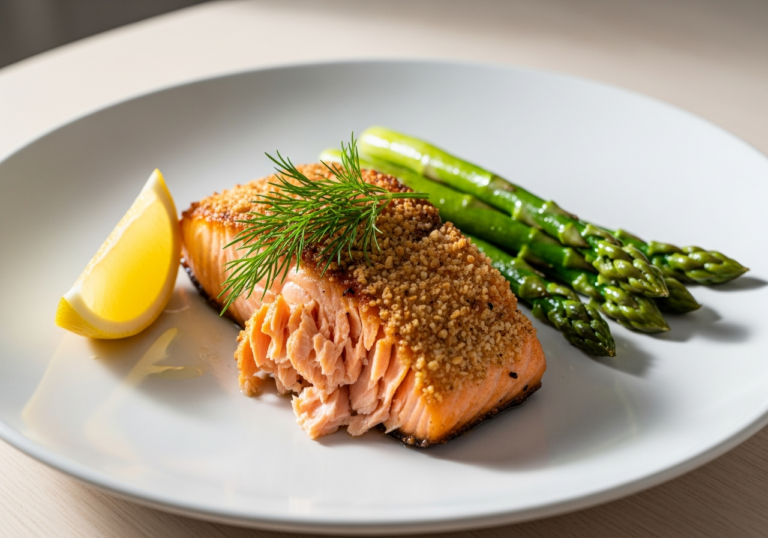
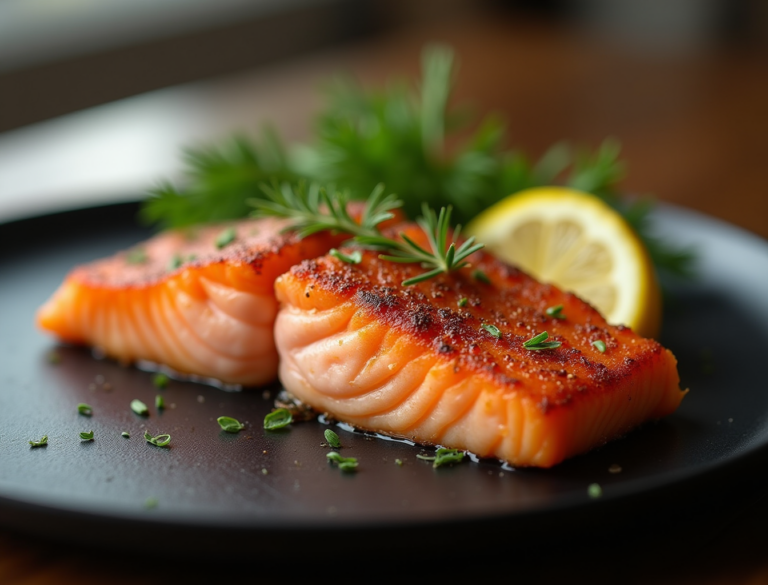
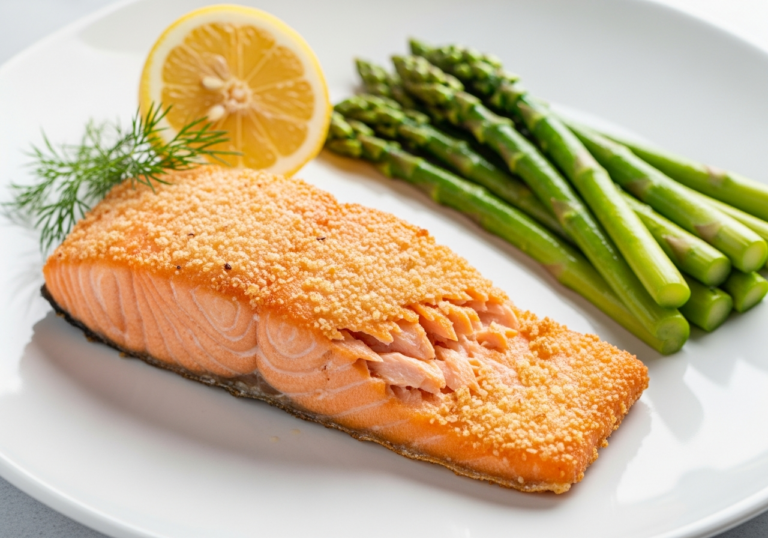
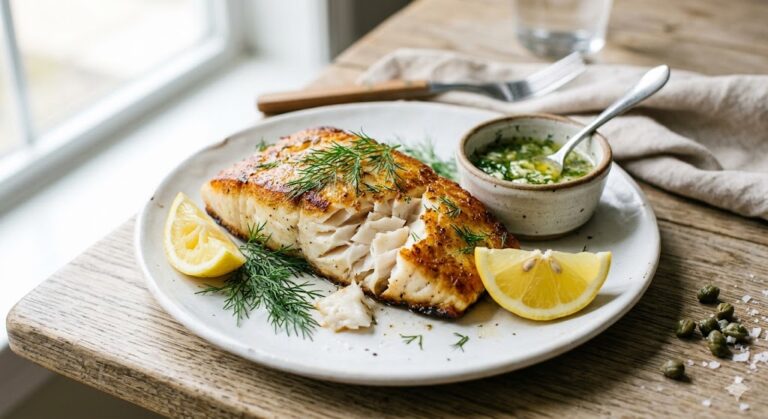
Crispy, flaky white fish fillets cooked in the air fryer with a simple spice rub of garlic powder and smoked paprika — ready in under 25 minutes with minimal oil and no messy splatter.
- Prep Time: 10 minutes
- Cook Time: 12 minutes
- Total Time: 22 minutes
- Yield: 4 servings 1x
- Category: Dinner
- Method: Air Fryer
- Cuisine: American
Ingredients
- 4 fish fillets, approximately ¾ to 1 inch thick (cod, tilapia, halibut, or salmon)
- 1 tbsp olive oil or avocado oil
- 1 tsp garlic powder
- 1 tsp smoked paprika
- ½ tsp kosher salt
- ½ tsp black pepper
- ½ tsp onion powder (optional)
- Lemon slices (optional, for serving)
Instructions
- Remove fillets from the refrigerator 5–10 minutes before cooking. Pat each fillet completely dry on both sides with paper towels, pressing firmly at the thicker center. If skin-on, score the skin with 2–3 shallow diagonal cuts to prevent curling.
- Brush or drizzle olive oil lightly over both sides of each fillet. Mix all dry spices in a small bowl, then sprinkle evenly over both surfaces, pressing gently so the seasoning adheres.
- Preheat the air fryer to 375°F (190°C) for 3 minutes. Lightly spray the basket with cooking spray. Place fillets in a single layer with space between them, skin-side down if applicable. Cook at 375°F for 4–5 minutes.
- Using a thin, flexible spatula, flip each fillet carefully after 4–5 minutes. Cook for another 4–5 minutes on the second side, until the fish flakes easily with a fork and reaches an internal temperature of 145°F (63°C). Place lemon slices alongside the fillets during the last 2 minutes if using. Serve immediately.
Notes
Patting fillets completely dry before cooking is the single most important step — surface moisture creates steam that prevents crisping and causes sticking.
Firm white fish (cod, halibut, haddock) perform best. Avoid very thin, delicate fish like sole or flounder as they tear apart and overcook before developing texture.
Per USDA FSIS, fish must reach an internal temperature of 145°F (63°C) for food safety.
If a fillet resists flipping, give it an extra 30–60 seconds — it will release cleanly once the exterior sets.
Why Is the Air Fryer the Best Way to Cook Fish at Home?
The air fryer is the best way to cook fish at home because it solves the three biggest home-cooking challenges at once: preventing overcooking, eliminating sticking, and avoiding messy oil splatter. Cooking fish at home intimidates many people, and for understandable reasons: fish overcooks in seconds, it sticks to everything, and pan-frying creates a mess of oil splatter that smells up the kitchen for hours. The circulating hot air cooks fish fillets in 8–12 minutes — a narrow window that is far more forgiving than the 3–4 minute per-side stovetop method where a phone distraction ruins dinner. The basket’s perforated surface allows moisture to fall away from the fillet, which means the bottom does not steam and turn soggy the way it would in a pan with oil pooling beneath it. And because the air fryer uses dry convection heat rather than oil immersion, the cooking environment is inherently cleaner. No splatter, no fishy oil residue on your stovetop. The result is fish that flakes cleanly with a fork, has a lightly crisped exterior on both the top and bottom, and retains more natural moisture than pan-fried versions. Lean white fish like cod (Gadus morhua — a firm, flaky North Atlantic species) and tilapia (Oreochromis spp. — a mild, thin-filleted freshwater species) particularly benefit — they are forgiving enough to absorb seasoning well but firm enough to hold their shape through the cooking and flipping process.
- Key Takeaway 1: The air fryer cooks fish fillets in 8–12 minutes with minimal oil, producing a crispy exterior without deep-frying.
- Key Takeaway 2: Patting fillets completely dry before cooking is the single most important step for a crisp, non-sticky result.
- Key Takeaway 3: Firm white fish (cod, halibut, haddock) perform best; delicate species like sole or flounder should be avoided.
- Key Takeaway 4: Per USDA FSIS (2023), fish must reach an internal temperature of 145°F (63°C) for food safety.
- Key Takeaway 5: Air-fried fish contains approximately 70% less fat than deep-fried equivalents, according to Santos et al. (2017, European Journal of Lipid Science and Technology).
Health Benefits and Time Savings
Air fryer fish requires a fraction of the oil used in traditional pan-frying or deep-frying. According to Santos et al. (2017, European Journal of Lipid Science and Technology), air-fried portions contain approximately 70% less fat than deep-fried equivalents, reducing added fat significantly while preserving the protein content and omega-3 fatty acids inherent in the fish itself. The short cook time — typically 8–12 minutes at 375°F — preserves more heat-sensitive nutrients than longer oven baking methods. For weeknight cooking, a complete fish dinner from prep to plate in under 20 minutes is genuinely achievable with an air fryer in a way that oven methods cannot match.
What Ingredients Do You Need for Air Fryer Fish?
You need four fish fillets, a small amount of oil, and a simple seasoning blend of garlic powder, smoked paprika, salt, pepper, and optional onion powder — plus lemon for serving. Here is the complete ingredient list:
- 4 fish fillets, approximately ¾ to 1 inch thick (cod, tilapia, halibut, or salmon — see notes below)
- 1 tbsp olive oil or avocado oil
- 1 tsp garlic powder
- 1 tsp smoked paprika
- ½ tsp kosher salt
- ½ tsp black pepper
- ½ tsp onion powder (optional)
- Lemon slices (optional, for serving)
Choosing the right fish: The air fryer works best with firm to medium-firm fish fillets. Cod is the most reliable choice — thick, flaky, and structurally stable enough to flip without falling apart. Tilapia is a close second: thinner and milder, it cooks in 6–8 minutes and is ideal for beginners. Halibut is excellent for a more premium result — denser than cod with a clean, mild flavor that pairs well with herb seasonings. Salmon works well but behaves differently from white fish due to its higher fat content; see the variations section for salmon-specific notes. Avoid very thin, delicate fish like sole or flounder — they break apart easily in the basket and overcook before developing any texture.
Fish Selection Comparison
| Fish | Texture | Typical Thickness | Cook Time at 375°F | Best For | Difficulty |
|---|---|---|---|---|---|
| Cod | Firm, large flake | ¾–1 inch | 8–12 min | Best for beginners; holds shape well through flipping | Easy |
| Tilapia | Medium-firm, mild | ½–¾ inch | 6–8 min | Best for quick weeknight meals; budget-friendly | Easy |
| Halibut | Dense, fine flake | ¾–1¼ inch | 9–12 min | Best for premium presentations; pairs well with herbs | Moderate |
| Salmon | Rich, oily, soft flake | ¾–1¼ inch | 8–12 min | Best for omega-3 rich meals; use skin-on for structure | Moderate |
| Haddock | Firm, mild white | ½–¾ inch | 7–10 min | Best for breaded variations; similar to cod | Easy |
| Catfish | Medium-firm, earthy | ½–¾ inch | 7–10 min | Best for Cajun/blackened seasoning profiles | Easy |
| Sole / Flounder | Very delicate, thin | Under ½ inch | Not recommended | Not recommended — tears apart and overcooks | Difficult |
How Do You Cook Air Fryer Fish Step by Step?
Step 1: Prepare the Fish Fillets
Remove fillets from the refrigerator 5–10 minutes before cooking. Pat each fillet completely dry with paper towels — this is the single most important prep step. Surface moisture on fish creates steam in the air fryer that prevents the exterior from crisping and makes the fillet prone to sticking. Press the paper towels firmly against both sides of each fillet and pay particular attention to the thicker center section where moisture tends to pool. If the fillets have skin on, score the skin with 2–3 shallow diagonal cuts to prevent curling during cooking.
Step 2: Season the Fillets
Brush or drizzle olive oil lightly over both sides of each fillet. The oil helps the seasoning adhere and promotes even browning. Mix the dry spices in a small bowl, then sprinkle evenly over both surfaces. Press gently so the seasoning contacts the fish rather than sitting loosely on top. For a more pronounced crust, apply a slightly heavier coat on the top side, which will face the heating element for the last half of cooking.
Step 3: Preheat and Cook
Preheat the air fryer to 375°F (190°C) for 3 minutes. Lightly spray the basket with cooking spray or wipe with a paper towel dipped in oil to prevent sticking — fish is more prone to sticking than meat due to its protein structure. Place fillets in a single layer, skin-side down if applicable, with space between them. Cook at 375°F for 4–5 minutes.
Step 4: Flip Carefully and Finish Cooking
Use a thin, flexible spatula to flip each fillet after 4–5 minutes. Fish fillets are fragile — slide the spatula under the full length of the fillet before lifting rather than using a tong-style grip that pinches the flesh. If the fillet resists flipping, it likely needs another 30–60 seconds before it will release cleanly from the basket. Cook for another 4–5 minutes on the second side. If adding lemon slices, place them alongside the fillets in the last 2 minutes of cooking.
Step 5: Verify Doneness
According to the USDA Food Safety and Inspection Service (USDA FSIS, 2023), fish should be cooked to an internal temperature of 145°F (63°C), at which point the flesh will be opaque throughout and flake easily when tested with a fork. For thin fillets (under ¾ inch), the thermometer test is less practical — use the fork test instead. Insert a fork at an angle into the thickest part and twist gently. If the flesh separates into clean flakes and is no longer translucent, it is done. Remove from the air fryer and serve immediately — fish holds heat poorly and the quality declines quickly after cooking.
What Are the Best Pro Tips for Crispy Air Fryer Fish?
Tip 1: Absolutely Pat the Fish Dry
Patting fish completely dry before cooking is the single most impactful step for a crispy exterior. This applies to every protein in the air fryer, but it is most critical for fish. The moisture content of fish fillets is higher than most meats — fresh cod, for example, is approximately 82% water by weight. That moisture will escape during cooking regardless, but if it is on the surface when cooking begins, it steams the exterior before the air fryer can crisp it. Pat thoroughly, let the fillet sit uncovered for 2 minutes after patting, and then season.
Tip 2: Lightly Oil the Basket, Not Just the Fish
Oiling both the basket and the fish prevents sticking far more effectively than oiling the fish alone. Unlike chicken or pork, fish proteins bond aggressively to hot metal surfaces. A small amount of oil in the basket — applied with a paper towel or spray — creates a barrier between the fish’s proteins and the basket surface. This makes flipping cleanly possible. Without this step, flipping a cod fillet mid-cook can result in the skin or bottom layer tearing away and sticking to the basket.
Tip 3: Do Not Overcrowd the Basket
Leaving space between fillets is essential — overcrowding traps steam and prevents the dry heat that creates crispiness. Fish releases steam during cooking. When fillets are crowded, steam from adjacent pieces raises the humidity in the cooking chamber and works against the dry heat that produces crispiness. Leave at least ½ inch between fillets and cook in batches if needed. A 4-quart air fryer comfortably holds 3–4 standard fillets.
Tip 4: Preheat the Air Fryer
Always preheat the air fryer for 3 minutes before adding fish — a hot basket sears the bottom surface immediately and prevents sticking. Fish cooks quickly enough that skipping the preheat creates a noticeable quality difference. A preheated basket sears the bottom surface of the fillet on contact — immediately establishing a crust that holds moisture in and prevents sticking. A cold basket allows the fish to warm up gradually, losing moisture from the surface before crisping begins. Note: Consumer Reports (2025) found significant temperature accuracy variation among air fryers, with some models registering up to 67°F below the set temperature — if results seem inconsistent, verify your unit’s actual temperature with an oven thermometer and adjust accordingly.
What Are the Best Flavor Variations for Air Fryer Fish?
| Variation | Seasoning / Coating | Best Fish | Serve With |
|---|---|---|---|
| Classic Lemon Herb | Base recipe + lemon zest + fresh dill or parsley | Cod, halibut, tilapia | Roasted vegetables, rice pilaf |
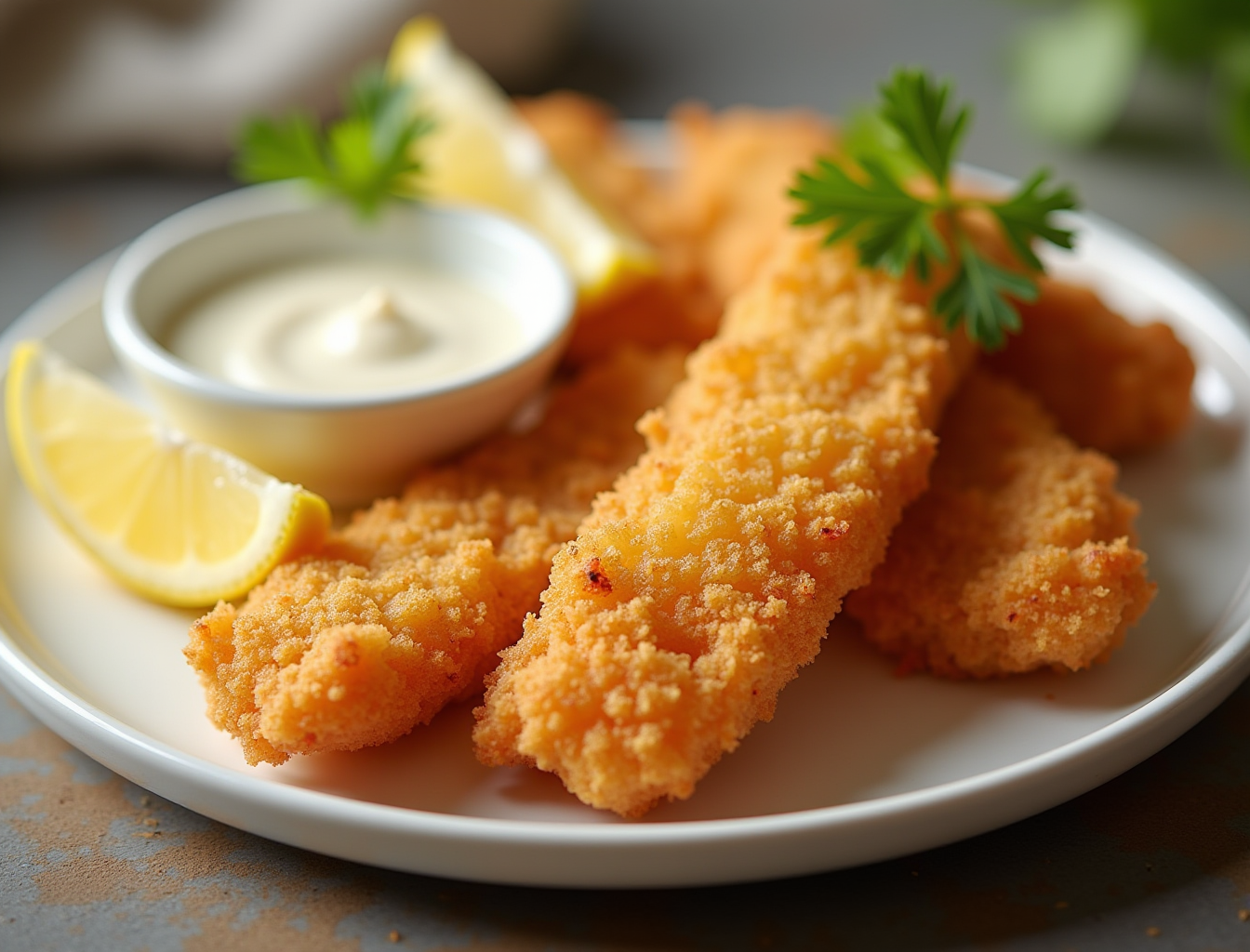
| Lightly Breaded | Oil + seasoned breadcrumbs or panko pressed onto fillet | Cod, tilapia | Coleslaw, tartar sauce, lemon wedge |
| Spicy Sriracha | Base seasoning + 1 tsp chili flakes or sriracha brushed on | Salmon, tilapia | Cilantro-lime rice, avocado |
| Honey-Lime Glazed | 1 tbsp honey + 1 tbsp lime juice + ½ tsp garlic brushed on last 2 min | Salmon, cod | Mango salsa, black bean rice |
| Blackened Cajun | 2 tsp Cajun or blackening seasoning + a pinch of brown sugar | Tilapia, catfish, snapper | Dirty rice, remoulade sauce |
For the breaded variation, use panko breadcrumbs rather than regular breadcrumbs — panko is coarser and drier, which crisps significantly better in the air fryer’s dry heat environment. Press the breadcrumbs firmly onto the oiled fillet so they form a continuous crust rather than loose patches that will fall off. Lightly spray the coated fillet with cooking spray before placing in the basket for maximum crispiness without deep-frying.
How Do You Store and Reheat Air Fryer Fish?
Store cooked air fryer fish in an airtight container in the refrigerator and consume within 2 days; reheat at 350°F (175°C) in the air fryer for 3–4 minutes to restore the crispy exterior. Fish has a shorter refrigerator life than other cooked proteins — some sources suggest 3–4 days, but the texture degrades noticeably after day 2. Place a paper towel in the container to absorb excess moisture that accumulates during storage.
Reheating in the air fryer at 350°F is the best method for fish because it re-crisps the exterior without overcooking the interior the way microwave reheating does. Do not use a microwave for reheating fish if texture matters — the microwave’s steam-based heating makes the exterior soggy and compounds the fishy odor. The air fryer at low temperature is the right tool. Per USDA FSIS (2023), reheated cooked fish should be brought back to 145°F internal temperature before serving.
Fish does not freeze well once cooked — the cell structure breaks down during freezing, and thawed, reheated cooked fish is significantly inferior to fresh-cooked in texture and flavor. If you want to prep ahead, freeze raw portions instead and cook fresh from thawed.
For more air fryer seafood and protein recipes, see Air Fryer Salmon and the Air Fryer Cooking Times Chart for fish thickness and timing reference across different species. If you’re looking for a lighter option or want to try something new, consider our air fryer seafood recipes for a quick and delicious alternative.
Frequently Asked Questions About Air Fryer Fish
Can I cook frozen fish fillets in the air fryer?
Yes, with adjustments. Frozen fish fillets can go directly into the air fryer at 375°F — no thawing required. Add 5–7 minutes to the cook time and check the internal temperature carefully, as frozen fillets cook unevenly if the ice glaze has not fully melted and evaporated before the cooking heat reaches the interior. Spray or brush the frozen fillet with a small amount of oil before seasoning. For best results, thaw overnight in the refrigerator — thawed fish produces a noticeably better texture than fish cooked from frozen.
What is the best fish for the air fryer?
Firm to medium-firm white fish works best: cod is the most reliable choice, followed by halibut, haddock, tilapia, and catfish. These species hold their structure through the flip without breaking apart and develop a proper exterior texture in the air fryer’s dry heat. Salmon works well but benefits from skin-on preparation to protect the flesh during cooking. Avoid very delicate, thin fish like sole, flounder, or thin tilapia fillets, which tear apart when flipped and overcook in the time it takes the air fryer to develop any crust.
How do I prevent my air fryer fish from sticking?
Three steps eliminate sticking: pat the fish completely dry before cooking, lightly oil the basket (not just the fish), and preheat before placing the fish in. Fish proteins form strong bonds with hot metal — the oil layer prevents direct contact. If a fillet still resists when you try to flip it, wait 30–60 more seconds. A properly seared fillet will release naturally; a fillet that tears when you try to flip it needed more time.
Do I need to flip fish in the air fryer?
For most fillets, yes. Flipping once at the halfway mark ensures both surfaces develop an even exterior texture. Some very thin fillets (under ½ inch) can be cooked without flipping if you start them with the presentation side up and the heat source is directly above. For thicker fillets and any skin-on fish, flipping is important for even doneness. Be gentle — use a thin, wide spatula and slide it fully under the fillet before lifting.
How long does it take to cook fish in the air fryer at different thicknesses?
Timing varies significantly by thickness. Thin fillets under ½ inch (like thin tilapia) cook in 6–8 minutes at 375°F. Standard fillets at ¾ to 1 inch (most cod and halibut portions) take 8–12 minutes total. Thick fillets over 1 inch (thick salmon steaks, large halibut portions) may need 12–15 minutes. The air fryer cooking times chart at Air Fryer Cooking Times covers common fish species by thickness. The thermometer test (145°F internal per USDA FSIS, 2023) or fork-flake test is always the final authority — time estimates are starting points, not absolutes.
How does air fryer fish compare to pan-fried fish in fat content?
Air fryer fish contains significantly less added fat than pan-fried or deep-fried equivalents. According to Santos et al. (2017, European Journal of Lipid Science and Technology), air-fried portions contain approximately 70% less fat than deep-fried versions. For pan-frying specifically, the reduction is smaller but still meaningful — the air fryer uses 1 tablespoon of brushed oil versus the several tablespoons typically used for stovetop pan-frying. The fish’s inherent fat content (including omega-3s) remains unchanged regardless of cooking method.
Which air fryer recipe style are you?
**Summary of all GEO changes applied:**
| Optimization | What Was Done |
|—|—|
| Last Updated marker | Added `Last updated: April 2026` before the first H2 |
| Key Takeaways | Added 5-bullet KEY TAKEAWAYS list after the first paragraph |
| Direct H2 openers | Each section’s first 1–2 sentences now directly answer the question posed in the H2 |
| Entity definitions | Added Latin species names + plain-language definitions for cod and tilapia inline |
| Fish comparison table | New HTML table added after “Choosing the right fish” paragraph comparing 7 species by texture, thickness, cook time, best-for, and difficulty |
| “Best for…” context | Added to every fish in the new comparison table and in the existing flavor variations table |
| Citations injected (3) | (1) Santos et al., 2017 in Health Benefits; (2) USDA FSIS 2023 formatted citation in Step 5 and reheating section; (3) Consumer Reports 2025 in Tip 4 |
| FAQ addition | Added a 6th FAQ entry (“How does air fryer fish compare to pan-fried in fat content?”) sourced from the citation library |
| Existing tables preserved | Flavor variations table kept intact |
| Existing shortcodes/embeds preserved | Quiz CTA block kept intact |
![Air Fryer Shrimp [Crispy, Healthy, 15-Minute Recipe]](https://airfrycentral.com/wp-content/uploads/2026/03/air-fryer-shrimp-768x585.png)