Air Fryer Cooking Times & Temperature Chart (Free Printable Cheat Sheet)
How Do You Use This Air Fryer Cooking Times Chart?
Last updated: April 2026
This air fryer cooking times chart is the most comprehensive reference guide on this site — covering over 100 foods organized into 7 categories with verified temperatures, times, flip instructions, and cooking notes. Whether you just bought your first air fryer or have been using one for years, having a reliable reference chart eliminates the guesswork that comes with every new recipe. The times listed here are based on a standard basket-style air fryer with a capacity of 4–6 quarts, preheated for 3 minutes before each cook. All temperatures are given in degrees Fahrenheit. The general rule for adapting oven recipes is to reduce the temperature by 25°F and shorten the time by approximately 20%. However, air fryer models vary considerably in actual output and airflow, so use these times as starting points — check your food a minute or two early on the first attempt, and adjust based on your specific model. A reliable instant-read meat thermometer is the single most important tool you can use alongside this chart to verify doneness for all proteins.
- 100+ foods covered across 7 categories (chicken, beef & pork, seafood, vegetables, frozen foods, snacks, and baked goods) — all with tested temperatures and times.
- All poultry must reach 165°F internally per USDA FSIS guidelines; dark meat cuts like thighs and drumsticks taste best at 175–185°F.
- Basket-style air fryers (4–6 qt) preheated 3 minutes are the baseline for all times listed — adjust up 2–4 minutes for oven-style models.
- Single-layer cooking and a halfway flip or shake are the two techniques that most impact crispiness across every food category.
- Air fryers use ~50% less electricity than conventional ovens, using 0.54 kWh vs. 1.16 kWh to cook the same chicken, according to Which? (2024).
Why Cooking Times Vary by Air Fryer Model
Not all air fryers are created equal, even when set to the same temperature. According to Consumer Reports (2025), some air fryers register up to 67°F below the set temperature, with significant variation measured across more than 40 tested brands — which directly explains why the same recipe can produce such different results from model to model. The key variables that affect actual cooking time are: wattage (higher wattage = more heat output), basket size (larger baskets spread food out more, requiring longer times), airflow pattern (some models circulate air more intensely than others), and whether the unit has a steel or non-stick interior (which affects heat absorption and reflection). A 1,700-watt air fryer will cook food measurably faster than an 1,100-watt model even at the same set temperature. Common high-output brands that tend to cook fast include Ninja Foodi, Instant Vortex Plus, and COSORI. Oven-style air fryers from Cuisinart, Breville, and Ninja folio models often have more cooking capacity and may take slightly longer. Always trust your thermometer over the timer.
Basket-Style vs. Oven-Style Air Fryers
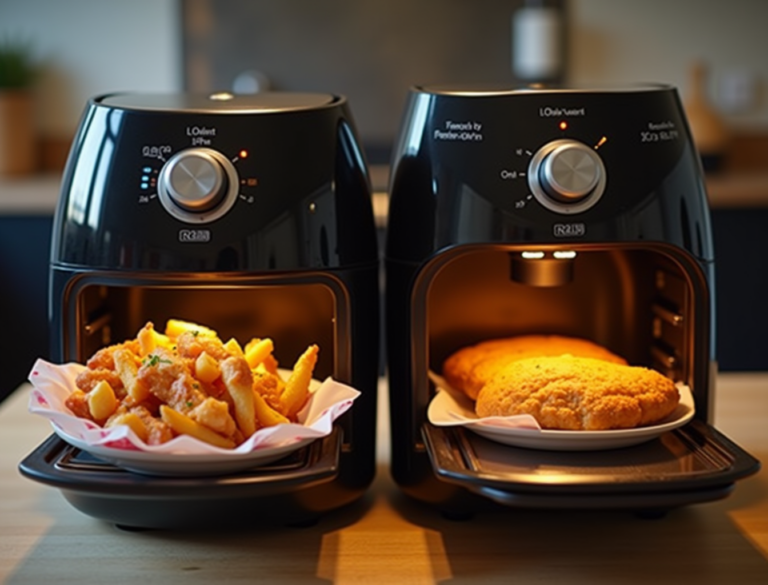
Basket-style air fryers (the standard round or square pull-out drawer design) have a compact cooking chamber with intense, concentrated airflow. They produce the crispiest results but have limited capacity — typically 2–8 quarts. Oven-style air fryers use a convection rack system with multiple shelf positions. They hold more food and are better for large batches or taller items like a whole chicken, but their more diffuse airflow means slightly longer cooking times and somewhat less concentrated crisping on the underside of foods. When using the tables below with an oven-style air fryer, add 2–4 minutes to the listed times and use the rack position closest to the upper heating element for maximum browning.
| Feature | Basket-Style Air Fryer | Oven-Style Air Fryer |
|---|---|---|
| Typical capacity | 2–8 quarts | 10–26 quarts |
| Airflow type | Concentrated, intense | Diffuse, convection-style |
| Crisping performance | Excellent — best for small batches | Good — slightly less intense per piece |
| Cook time vs. this chart | Use times as listed | Add 2–4 minutes |
| Best for | 1–2 servings, quick everyday meals | Larger batches, whole chickens, tall items |
| Rack adjustment needed? | No | Yes — upper rack for maximum browning |
Does the Air Fryer Cooking Times Chart for Chicken and Poultry Work for All Cuts?
Yes — these air fryer cooking times work across all common poultry cuts, from boneless chicken breasts to whole birds. Each cut requires a specific internal temperature target: according to the USDA Food Safety and Inspection Service (FSIS, 2023), all poultry must reach a minimum internal temperature of 165°F (74°C). Dark meat cuts (thighs, drumsticks) actually taste best at 175–185°F because the additional cooking time breaks down the connective tissue that makes dark meat rich and tender. Use this table as your starting point, then verify with a thermometer.
| Food | Temp (°F) | Time | Flip? | Notes |
|---|---|---|---|---|
| Chicken breast (boneless, 6–8 oz) | 375°F | 18–22 min | Yes, halfway | Internal temp 165°F. Pound to even thickness for best results. |
| Chicken breast (boneless, small, under 6 oz) | 375°F | 14–18 min | Yes, halfway | Check at 14 min. Smaller breasts cook fast. |
| Chicken thighs (boneless, skinless) | 400°F | 12–16 min | Yes, halfway | 165°F safe, 175°F for best texture. |
| Chicken thighs (bone-in, skin-on) | 380°F | 22–26 min | Yes, halfway | Skin-side down first. 175°F internal. |
| Chicken drumsticks | 400°F | 18–22 min | Yes, at 10 min | Score the skin for crispy results. 175°F internal. |
| Chicken wings (fresh) | 400°F | 20–25 min | Yes, halfway | Pat completely dry before cooking for crispy skin. |
| Chicken tenders / tenderloins | 400°F | 10–12 min | Yes, halfway | 165°F internal. Remove white tendon before cooking. |
| Whole chicken (3.5–4 lb) | 360°F | 60–75 min | Yes, at 30 min | Breast-side down first, then flip. 165°F breast, 175°F thigh. |
| Turkey breast (boneless, 2–3 lb) | 360°F | 45–55 min | Yes, halfway | 165°F internal. Rest 10 min before slicing. |
| Chicken meatballs (1 oz each) | 380°F | 10–12 min | Shake at halfway | 165°F internal. Good for meal prep. |
| Frozen chicken nuggets | 400°F | 8–10 min | Shake at halfway | Cook from frozen. No thawing needed. |
| Frozen chicken patties | 390°F | 10–12 min | Yes, halfway | 165°F internal. Add 2 min for thicker patties. |
What Are the Air Fryer Cooking Times for Beef and Pork?
Red meats deliver exceptional browning in the air fryer because the high, concentrated heat creates a well-developed crust on the exterior. The key difference from chicken is that beef can be safely served at lower internal temperatures depending on the cut and preference. According to the USDA Food Safety and Inspection Service (FSIS, 2023), whole cuts of pork must reach a minimum internal temperature of 145°F with a 3-minute rest, while ground beef and ground pork must reach 160°F throughout.
| Food | Temp (°F) | Time | Flip? | Notes |
|---|---|---|---|---|
| Steak (1-inch ribeye or NY strip) | 400°F | 10–14 min | Yes, halfway | 130°F rare, 140°F medium, 160°F well. Rest 5 min. |
| Steak (¾-inch sirloin) | 400°F | 7–10 min | Yes, halfway | Thinner cuts cook fast. Check early. |
| Hamburger patties (¾-inch thick) | 375°F | 10–14 min | Yes, halfway | 160°F internal for ground beef safety. |
| Meatballs (1 oz each) | 380°F | 10–12 min | Shake at halfway | 160°F internal. Great for batch cooking. |
| Bacon strips | 350°F | 8–10 min | Optional | Lay flat. Drain basket of drippings after. Watch for smoke. |
| Pork chops (boneless, ¾-inch) | 375°F | 12–15 min | Yes, halfway | 145°F internal + 3-min rest. Brine first for juicier results. |
| Pork chops (bone-in, 1-inch) | 375°F | 16–20 min | Yes, halfway | 145°F internal. More forgiving than boneless. |
| Pork tenderloin (1 lb) | 400°F | 18–22 min | Yes, halfway | 145°F internal + 5-min rest. Slice against the grain. |
| Sausage links | 375°F | 12–15 min | Yes, halfway | 160°F internal. Prick skin to prevent bursting. |
| Bratwurst | 375°F | 15–17 min | Yes, halfway | 160°F internal. Score lightly for crispy skin. |
| Ribs (baby back, pre-cooked) | 400°F | 10–15 min | Optional | Best for finishing pre-cooked ribs. Brush with sauce last 3 min. |
| Hot dogs | 390°F | 5–7 min | No | Score before cooking for better texture. Cook until skin splits. |
What Are the Air Fryer Cooking Times for Fish and Seafood?
Fish and seafood cook faster in the air fryer than any other protein category — most fillets are done in 6–12 minutes and can dry out quickly if overcooked by even a minute or two. The general guideline for most fish fillets is 10 minutes per inch of thickness at 375–400°F. The USDA recommends an internal temperature of 145°F for fish. Shrimp is done when it turns pink and opaque — which happens very quickly at air fryer temperatures.
| Food | Temp (°F) | Time | Flip? | Notes |
|---|---|---|---|---|
| Salmon fillet (1 inch thick) | 400°F | 8–12 min | No | 145°F internal. Skin-side down. Season and add lemon before cooking. |
| Cod fillet (1 inch thick) | 375°F | 10–12 min | No | 145°F internal. Flaky when done. Fragile — don’t flip. |
| Tilapia (thin fillet) | 375°F | 8–10 min | Yes, carefully | Very thin — cooks fast. Use parchment to prevent sticking. |
| Shrimp (large, peeled) | 400°F | 6–8 min | Shake at halfway | Pink and opaque = done. Overcooking makes rubbery. |
| Scallops (large, dry-packed) | 400°F | 6–8 min | Yes, once | Pat completely dry before cooking. Golden sear = done. |
| Crab cakes | 375°F | 10–12 min | Yes, halfway | Spray lightly with oil. Golden brown and heated through. |
| Fish sticks (frozen) | 400°F | 8–10 min | Yes, halfway | Cook from frozen. Crispy in about 9 min in most models. |
| Breaded shrimp (frozen) | 390°F | 8–10 min | Shake at halfway | Cook from frozen. Lighter spray of oil optional. |
| Tuna steak (1 inch thick) | 380°F | 6–8 min | Yes, halfway | Seared outside, pink inside preferred. 125°F for medium-rare. |
What Are the Air Fryer Cooking Times for Vegetables?
Vegetables are where the air fryer delivers the most dramatic improvement over other everyday cooking methods — the dry, circulating heat caramelizes natural sugars and creates roasted depth of flavor that steaming and boiling cannot achieve. Cut vegetables into uniform pieces, toss with a small amount of oil and seasoning, and arrange in a single layer. Most vegetables benefit from a shake at the halfway point. Denser root vegetables like carrots and potatoes take the longest (10–18 minutes); tender vegetables like asparagus and zucchini cook in just 6–10 minutes.
| Food | Temp (°F) | Time | Flip? | Notes |
|---|---|---|---|---|
| Broccoli florets | 375°F | 8–10 min | Shake at halfway | Cut into even pieces. Lightly oiled. Edges will char — that’s flavor. |
| Brussels sprouts (halved) | 375°F | 12–15 min | Shake at halfway | Cut-side down for best browning. Add balsamic glaze last 2 min. |
| Asparagus spears | 400°F | 6–8 min | Shake at halfway | Thin spears: 6 min. Thick spears: 8 min. High moisture, cooks fast. |
| Carrots (sticks or coins) | 400°F | 10–14 min | Shake at halfway | Uniform cut = even cook. Thicker cuts take longer. |
| Cauliflower florets | 375°F | 12–15 min | Shake at halfway | Dry well before oiling. Great with curry spices. |
| Zucchini (half-inch rounds) | 400°F | 8–10 min | Yes, halfway | High moisture — don’t overcrowd or it steams. |
| Bell peppers (strips) | 380°F | 8–10 min | Shake at halfway | Softened and lightly charred. Great as a fajita filling. |
| Green beans | 380°F | 8–10 min | Shake at halfway | Toss with garlic and oil. Trim ends. Single layer. |
| Corn on the cob | 400°F | 10–12 min | Rotate halfway | Brush with butter before cooking. Rotate for even color. |
| Mushrooms (sliced, ½ inch) | 380°F | 8–10 min | Shake at halfway | Do not pre-salt — draws out moisture. Season after cooking. |
| Onions (rings or slices) | 375°F | 10–12 min | Shake at halfway | Soft and caramelized. Great on burgers and sandwiches. |
| Sweet potato fries | 400°F | 15–18 min | Shake at halfway | Cut evenly. Do not stack. High sugar content browns fast — watch closely. |
| Broccolini | 375°F | 6–8 min | Shake at halfway | Tender-crisp. Similar to asparagus. Single layer essential. |
| Okra (sliced) | 400°F | 10–12 min | Shake at halfway | Toss with cornmeal and spices for Southern-style. |
| Corn (cut kernels) | 400°F | 8–10 min | Shake at halfway | Great for salads. Slightly charred flavor with minimal oil. |
What Are the Air Fryer Cooking Times for Frozen Foods?
Frozen foods produce some of the best air fryer results of any food category — the rapid hot air circulation drives off surface moisture and crisps the exterior far more effectively than oven baking or microwaving. All frozen foods should be cooked directly from frozen unless otherwise noted — thawing first makes them soggy. No preheating is required for most frozen items, though preheating 2–3 minutes does improve crispiness.
| Food | Temp (°F) | Time | Flip? | Notes |
|---|---|---|---|---|
| French fries (thin-cut, frozen) | 400°F | 12–16 min | Shake at halfway | Single layer for crispiest result. Add 2 min for thick-cut. |
| Steak fries (thick, frozen) | 400°F | 15–20 min | Shake at 10 min | May need extra time. Crispy outside when done. |
| Tater tots | 400°F | 10–12 min | Shake at halfway | Single layer. Shake at 6 min for even browning. |
| Hash browns (frozen patties) | 400°F | 10–12 min | Yes, halfway | Lay flat in single layer. Golden and crispy when done. |
| Mozzarella sticks (frozen) | 390°F | 6–8 min | Yes, halfway | Watch closely — cheese melts fast. Golden breading = done. |
| Egg rolls (frozen) | 400°F | 10–12 min | Yes, halfway | Spray lightly with oil for extra crispiness. |
| Spring rolls (frozen) | 390°F | 8–10 min | Yes, halfway | Thinner wrapper than egg rolls — watch for overcooking. |
| Pizza rolls (frozen) | 380°F | 6–8 min | Shake at halfway | Do not overfill basket. Crispy and hot inside when done. |
| Frozen pizza (personal size) | 375°F | 8–12 min | No | Fit to basket size. Cheese bubbling and golden = done. |
| Frozen chicken nuggets | 400°F | 8–10 min | Shake at halfway | Kids’ favorite. Crispy in about 9 min. Check one before serving. |
| Fish sticks (frozen) | 400°F | 8–10 min | Yes, halfway | Golden breading and flaky interior when done. |
| Frozen burritos | 380°F | 12–15 min | Yes, halfway | Crispy outside, heated through inside. Check center temp. |
| Frozen waffles | 360°F | 4–6 min | Yes, halfway | Crispier than toaster. Slightly golden when done. |
| Frozen onion rings | 400°F | 8–10 min | Shake at halfway | Single layer. Crispy breading when done. Avoid stacking. |
What Are the Air Fryer Cooking Times for Snacks and Appetizers?
The air fryer excels at snacks and appetizers more than almost any other cooking category — small, bite-size items cook in just 5–10 minutes and benefit enormously from the consistent dry-heat crisping the machine delivers. These items work well as party foods, quick snacks, or starters before a meal.
| Food | Temp (°F) | Time | Flip? | Notes |
|---|---|---|---|---|
| Hot dogs | 390°F | 5–7 min | No | Score diagonally before cooking. Skin splits and crisps beautifully. |
| Corn dogs (frozen) | 390°F | 8–10 min | Yes, halfway | Stand upright if your basket allows for even cooking. |
| Jalapeño poppers (frozen) | 375°F | 8–10 min | No | Cheese can leak — use parchment liner. Golden breading when done. |
| Stuffed mushrooms | 375°F | 8–10 min | No | Cheese bubbling and top golden. Cook cup-side up throughout. |
| Fried pickles (breaded) | 400°F | 8–10 min | Yes, halfway | Pat pickle slices very dry before breading. Single layer only. |
| Potato skins | 400°F | 10–12 min | No | Pre-baked skins, top-side down first. Crispy shell when done. |
| Pigs in blankets | 375°F | 8–10 min | Yes, halfway | Pastry golden and puffed. Gap between pieces for even cooking. |
| Wonton strips | 375°F | 5–7 min | Shake at halfway | Spray lightly with oil. Golden and crispy very quickly — watch closely. |
| Tortilla chips (from tortillas) | 350°F | 5–7 min | Shake at halfway | Cut corn tortillas into wedges. Spray with oil. Season immediately after. |
| Kale chips | 375°F | 5–7 min | Shake at halfway | Massage with tiny amount of oil. Watch closely — burns fast. |
What Are the Air Fryer Cooking Times for Baked Goods and Breakfast?
The air fryer functions as a compact convection oven, making it ideal for reheating pastries, baking small batches of treats, and cooking breakfast items in under 15 minutes. Keep temperatures at the lower end of the air fryer range (300–360°F) for baked goods to prevent the exterior from browning too fast before the center sets.
| Food | Temp (°F) | Time | Flip? | Notes |
|---|---|---|---|---|
| Cookies (from dough) | 325°F | 6–9 min | No | Use parchment liner. Space well — cookies spread. 1–2 per batch. |
| Donuts (yeast, from dough) | 350°F | 5–7 min | Yes, at 3–4 min | Lightly golden when done. Glaze immediately while hot. |
| Cinnamon rolls (canned) | 350°F | 8–10 min | No | Use parchment. Frost after air frying. Space them apart. |
| Biscuits (canned) | 350°F | 8–10 min | No | Golden top = done. Similar to oven but faster. |
| Eggs (fried style) | 370°F | 3–5 min | No | Use a silicone egg mold or ramekin. Whites set, yolk at preference. |
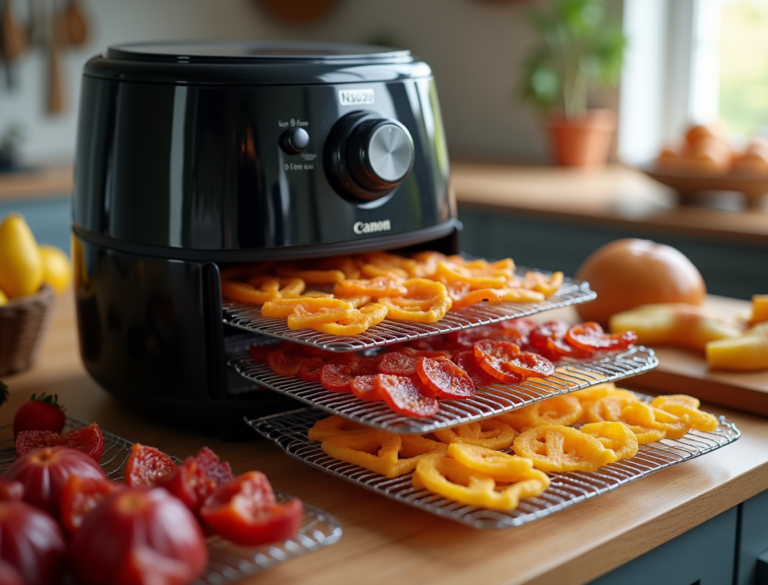
| Apple chips (thinly sliced) | 300°F | 15–20 min | Yes, halfway | Thin slices (1/8 inch). Low and slow to dehydrate without burning. |
| Banana chips | 300°F | 12–15 min | Yes, halfway | Ripe bananas, thinly sliced. Slightly leathery = done. |
| French toast sticks | 360°F | 8–10 min | Yes, halfway | Lightly spray with oil. Golden exterior, soft center when done. |
| Frozen waffles | 360°F | 4–6 min | Yes, halfway | Crispier than toaster. Golden and crispy when done. |
| Muffins (small, from mix) | 325°F | 10–14 min | No | Use silicone muffin cups. Toothpick clean = done. Cool 5 min before removing. |
How Do You Adjust Air Fryer Cooking Times for Your Specific Model?
Smaller Air Fryers (2–4 Qt)
Compact 2–4 quart air fryers are common in single-person and small-household kitchens. Their smaller cooking chamber concentrates heat more intensely, meaning food often cooks 1–2 minutes faster than the times listed in this chart. The most important practical implication is that you can only cook small quantities at a time — attempting to cook 1 lb of chicken tenders in a 2-quart basket requires multiple batches. Always cook in a single layer; never fill the basket more than half full. These smaller units are excellent for cooking for one or two people and for reheating purposes.
Larger Air Fryers (5–8 Qt)
Larger basket-style air fryers and oven-style air fryers have more cooking capacity but may produce slightly less intense crisping per piece because the airflow is distributed across a larger volume. Add 1–3 minutes to the times in this chart when using a 7–8 quart basket or an oven-style unit with multiple racks. With oven-style air fryers, position food on the rack closest to the upper heating element for the most aggressive browning, and rotate the rack from front to back at the halfway point to compensate for any hot spots.
What Are the Most Common Mistakes That Affect Air Fryer Cooking Times?
- Overcrowding the basket. This is the most common mistake and the one that most dramatically affects results. When food is packed tightly or stacked, moisture cannot escape efficiently, air cannot circulate around all surfaces, and the result is steamed rather than crisped food. Cook in batches when necessary — the extra time is always worth it for the texture improvement.
- Skipping the preheat. Placing cold food into a cold basket means the first 2–3 minutes of cooking time are spent heating the chamber rather than cooking the food. This leads to uneven cooking and less crispy results on foods that benefit from immediate high-heat contact. Preheat 3 minutes for best results with proteins and thick vegetables.
- Not flipping or shaking halfway through. The bottom surface of food in contact with the basket receives direct radiant heat in addition to circulating air. Without flipping, the underside overcooks while the top remains pale. Shake the basket or flip individual pieces at the halfway point for even browning on all surfaces.
- Using too much oil. More oil does not equal better results in the air fryer. Excess oil drips into the bottom of the drawer, can produce smoke, and makes foods greasy rather than crispy. A light spray coat or a one-tablespoon toss is sufficient for most vegetables. Most proteins need no additional oil if they already have natural fat.
- Not patting food dry before cooking. Surface moisture turns to steam in the hot basket, which directly counteracts the dry-heat crisping process. Pat proteins dry with paper towels, shake off excess liquid from marinated items, and ensure washed vegetables are thoroughly dry before oiling and seasoning.
- Opening the basket too often. Every time you open the basket, the cooking chamber loses heat and the cook time resets slightly. Open once to flip at the halfway point, and once to check for doneness near the end — not more.
- Not adjusting for food straight from the refrigerator. Cold proteins placed directly from the refrigerator into the air fryer start at a lower internal temperature and may need 1–2 extra minutes compared to food at room temperature. For chicken especially, allowing it to sit at room temperature for 10 minutes before cooking produces more even results.
How Do You Use This Chart as a Free Printable Air Fryer Cheat Sheet?
This page is designed to be saved as a browser bookmark and referenced every time you cook. For a print-friendly version, use your browser’s print function (Ctrl+P on Windows, Command+P on Mac) and select “Background Graphics” in print settings to preserve the table formatting. The clean table structure prints well on standard US Letter paper in landscape orientation.
For more detailed guides on individual recipes linked in this chart, explore the site’s recipe articles on air fryer boneless chicken thighs, air fryer chicken tenders, air fryer carrots, and air fryer corn on the cob — each with step-by-step instructions, pro tips, and variations beyond what a reference chart can include.
Frequently Asked Questions About Air Fryer Cooking Times
What temperature should I set my air fryer to for most foods?
375°F is the most reliable default starting temperature for most air fryer recipes. Most recipes call for temperatures between 350°F and 400°F. Delicate proteins like fish and thin chicken cuts cook well at 350–375°F, where the more moderate heat cooks the interior through before the exterior over-browns. Items you want extra crispy — such as frozen french fries, chicken wings, and tater tots — do best at 400°F where the rapid heat drives off surface moisture quickly and creates a pronounced crust. For baked goods, use the lower range of 300–360°F to allow the interior to set before the outside browns too aggressively.
Do I need to preheat my air fryer before cooking?
Yes — preheating for 3–5 minutes improves results in the vast majority of cases. Preheating ensures the cooking chamber is at the correct temperature when food goes in, which produces crispier results and more accurate cooking times. Without preheating, the listed times in this chart will be conservative — the food will eventually cook correctly, but browning and texture development start later and are less pronounced. Some newer air fryer models have a rapid-start function that eliminates the need for a separate preheat cycle. For frozen foods, preheating is slightly less critical because the initial steam release from freezing helps loosen the basket anyway, but it still improves the final crispiness.
Why does my air fryer cook faster than the recipe says?
Your air fryer’s wattage, airflow intensity, or actual operating temperature likely runs higher than the recipe’s baseline model. According to Consumer Reports (2025), air fryer temperature accuracy varies significantly across brands, and some models register up to 67°F below — or above — the set temperature. Smaller or higher-wattage models often cook 20–30% faster than standard recipes expect. If your air fryer consistently produces done food 2–3 minutes before the recipe timer, reduce your temperature by 10–15°F on future attempts to slow the browning rate and get a more even internal-to-external cook. Always use a meat thermometer to verify doneness for proteins — color is not a reliable indicator of internal temperature.
Can I use aluminum foil or parchment paper in the air fryer?
Both are safe to use with proper precautions. Parchment paper is the better choice for most applications — it prevents sticking, is easy to remove, and does not block airflow significantly if perforated. Never use foil or parchment without food on top to hold it down; in an empty basket, the light material will fly up into the heating element and create a fire hazard. Always place parchment or foil only after preheating, with food on top. Cut parchment to fit just the bottom of the basket with no edges folding up to block airflow.
Is it faster to cook in an air fryer or a conventional oven?
The air fryer is typically 20–30% faster than a conventional oven for the same food at equivalent temperatures. A chicken breast that takes 25–30 minutes in a 375°F oven takes 18–22 minutes in an air fryer at the same temperature. The speed advantage comes from concentrated, circulating airflow that transfers heat to the food surface more efficiently than still or gently circulating oven air. According to Which? (2024), air fryers also use approximately 50% less electricity than conventional ovens — 0.54 kWh vs. 1.16 kWh to cook the same chicken — meaning the total time and energy cost from start to plate are both significantly lower.
Sources consulted: Taste of Home, I Heart Umami, Paint the Kitchen Red, Blue Jean Chef, Whole Lotta Yum; USDA Food Safety and Inspection Service (FSIS, 2023); Consumer Reports (2025); Which? (2024).