Frozen Vegetables in the Air Fryer | Crispy, No-Thaw Method (Any Veggie!)
Can You Cook Frozen Vegetables Directly in the Air Fryer?
Yes — and not only can you, you should. Cooking frozen vegetables straight from the bag without thawing is the correct method. The counterintuitive truth is that thawing first actually produces worse results. When frozen vegetables thaw, they release the water that was locked inside their cell walls as ice crystals. That released moisture pools on the surface of every piece, and when you add wet vegetables to an air fryer, you get steamed vegetables — soft, limp, and lacking any caramelization.
PrintFrozen Vegetables in the Air Fryer
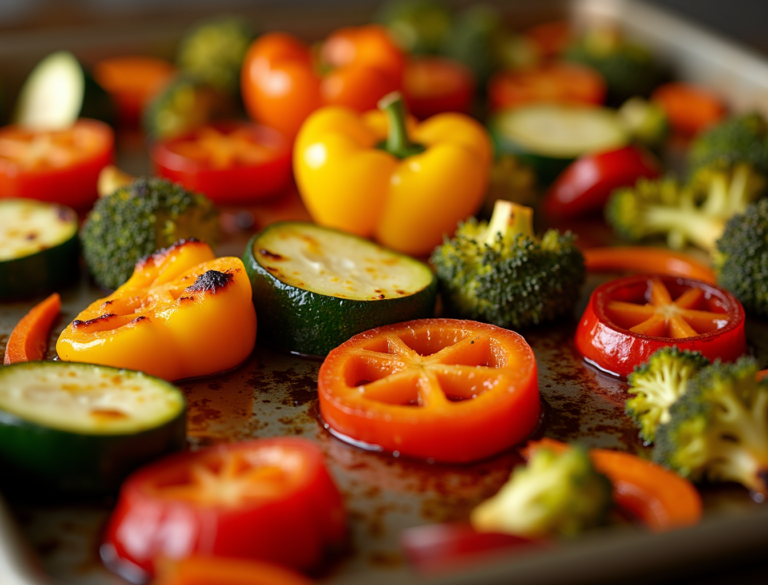
Crispy, caramelized frozen vegetables cooked straight from the bag — no thawing required. High heat and dry air produce golden edges and tender interiors in about 15 minutes.
- Prep Time: 5 minutes
- Cook Time: 15 minutes
- Total Time: 20 minutes
- Yield: 2-4 servings 1x
- Category: Side Dish
- Method: Air Fryer
Ingredients
- 12 oz bag frozen vegetables (broccoli, cauliflower, or mixed blend)
- 1–2 tbsp olive oil or avocado oil spray
- 1/2 tsp garlic powder
- 1/2 tsp onion powder
- Salt and pepper to taste (add after cooking)
- Optional: 2 tbsp parmesan, 1/4 tsp red pepper flakes, squeeze of lemon
Instructions
- Preheat the air fryer to 400°F for 3–5 minutes. High heat is critical — do not skip this step.
- Toss the frozen vegetables (straight from frozen) with olive oil, garlic powder, and onion powder in a bowl. Alternatively, spread vegetables in the basket and spray lightly with oil spray, then season.
- Spread vegetables in a single layer with no overlapping or stacking so every piece gets direct hot air contact.
- Cook 10–15 minutes, shaking the basket every 4–5 minutes. Shake at the 4-minute and 9-minute marks to prevent sticking as vegetables thaw.
- Check for golden or lightly charred edges on broccoli and cauliflower, slightly wrinkled skins on Brussels sprouts, and a dried (not wet) surface on all vegetables.
- Season with salt after cooking and serve immediately for best crispiness.
Notes
Do not thaw vegetables before cooking — cooking from frozen produces better texture and caramelization. Thawed vegetables release moisture and steam instead of roast.
Use only 1–2 tbsp of oil for a 12-oz bag. Excess oil pools at the basket bottom and creates steam, leading to soggy results. An oil spray bottle gives the most even coverage.
Add salt after cooking, not before — salt draws out moisture during cooking and contributes to sogginess.
Dense vegetables like sliced carrots need 13–16 minutes; small vegetables like peas need only 8–10 minutes. Watch closely and adjust accordingly.
Cooking from frozen means the ice on the surface evaporates almost instantly at high heat (400°F) before it has a chance to accumulate and steam the vegetable. The exterior begins crisping immediately. The result is what most people are actually trying to achieve: tender interiors with golden, slightly charred edges — in about 12–15 minutes with zero prep.
This guide covers the method that works, a complete timing chart for common frozen vegetables, and the five mistakes that produce soggy results. For fresh vegetable timing and technique, see Air Fryer Vegetables.
Why Does the Air Fryer Beat the Microwave for Frozen Vegetables?
The microwave is fast, but it achieves that speed through a fundamentally different mechanism than the air fryer — and for vegetables, that mechanism produces inferior results:
| Method | Cook Time | Texture Result | Flavor | Effort |
|---|---|---|---|---|
| Microwave | 3–5 min | Soft, mushy | Watery, bland | Very low |
| Boiling | 5–8 min | Soft, waterlogged | Diluted | Low |
| Oven roasting | 20–30 min | Good, slightly crispy | Good caramelization | Medium |
| Air fryer | 10–15 min | Crispy edges, tender interior | Roasted, caramelized | Very low |
The microwave heats food by exciting water molecules, which produces steam from the inside out. That’s great for reheating soup but terrible for getting crispy vegetables. The air fryer uses dry heat circulating at high speed — the opposite of steaming. It’s the only method that can transform a bag of frozen broccoli into something worth eating.
What Are the Best Frozen Vegetables for the Air Fryer?
Most frozen vegetables perform well in the air fryer, with a few exceptions. Here’s a practical tier guide based on how well each handles high-heat, dry cooking:
Excellent results:
- Broccoli florets — Freezes well, edges crisp beautifully, very forgiving
- Cauliflower florets — Similar to broccoli; cut large pieces in half before air frying
- Brussels sprouts — Halve frozen sprouts for even cooking; produces outstanding caramelization
- Green beans — Stay slightly firm with good texture at 400°F
- Corn kernels — Char beautifully; some kernels pop slightly for added texture
- Edamame (shelled) — Light oil spray and 9–11 minutes produces excellent snack-worthy results
- Mixed vegetable blends — Works well if pieces are similar in size; separate any oversized pieces
Acceptable with adjustments:
- Peas — Very small; watch closely after 8 minutes and remove promptly
- Sliced carrots — Need extra time (13–16 min); add before other vegetables in a mix
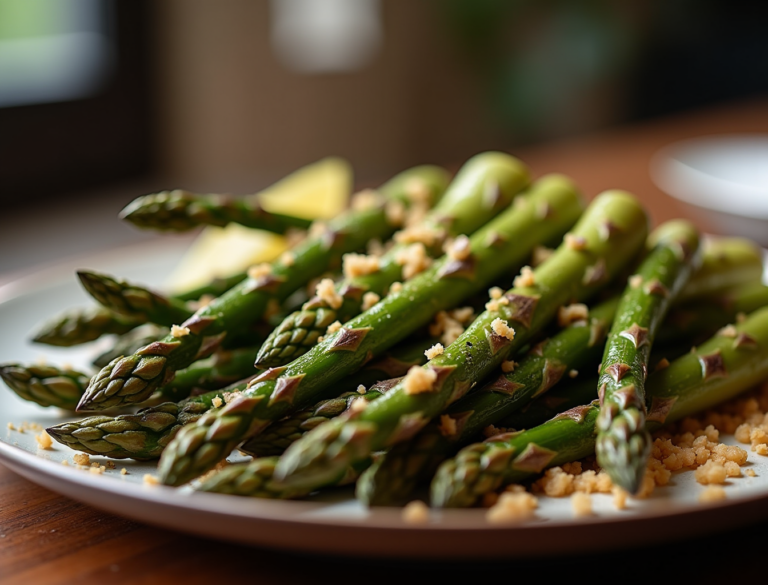
- Asparagus spears — Tend to dry out unless used within a year of freeze date; use light oil spray generously
Not recommended:
- Frozen spinach / kale — Too thin; becomes overly dehydrated and bitter
- Frozen chopped onion — Releases too much water; use fresh onion instead
- Frozen squash puree — Purees are not suitable for air fryer cooking
What Do You Need for This Recipe?
The beauty of this method is minimal equipment and ingredients:
Ingredients (Serves 2–4):
- 12 oz bag frozen vegetables (broccoli, cauliflower, or mixed blend)
- 1–2 tbsp olive oil or avocado oil spray
- 1/2 tsp garlic powder
- 1/2 tsp onion powder
- Salt and pepper to taste (add after cooking for best crispiness)
- Optional: 2 tbsp parmesan, 1/4 tsp red pepper flakes, squeeze of lemon
Equipment needed:
- Air fryer (any basket or tray model)
- Mixing bowl (for tossing)
- Oil spray bottle or measuring spoons
How Do You Cook Frozen Vegetables in the Air Fryer Step by Step?
- Preheat the air fryer to 400°F for 3–5 minutes. High heat is critical — don’t skip this step. At lower temperatures, the moisture from frozen vegetables turns to steam before it can evaporate, producing a mushy result.
- Toss straight-from-frozen vegetables with oil and seasoning. In a bowl, toss the frozen vegetables with olive oil, garlic powder, and onion powder. The ice on the vegetables will prevent the oil from fully absorbing — this is normal. The oil spray method works equally well: spread the frozen vegetables in the basket and spray lightly with oil spray, then season.
- Spread in a single layer. No overlapping or stacking. This is the most important physical rule of air frying vegetables. Every piece needs direct hot air contact.
- Cook 10–15 minutes, shaking every 4–5 minutes. Frozen vegetables need more frequent shaking than fresh ones because they stick together as they thaw in the first few minutes. Shaking at the 4-minute and 9-minute marks works well for most vegetables.
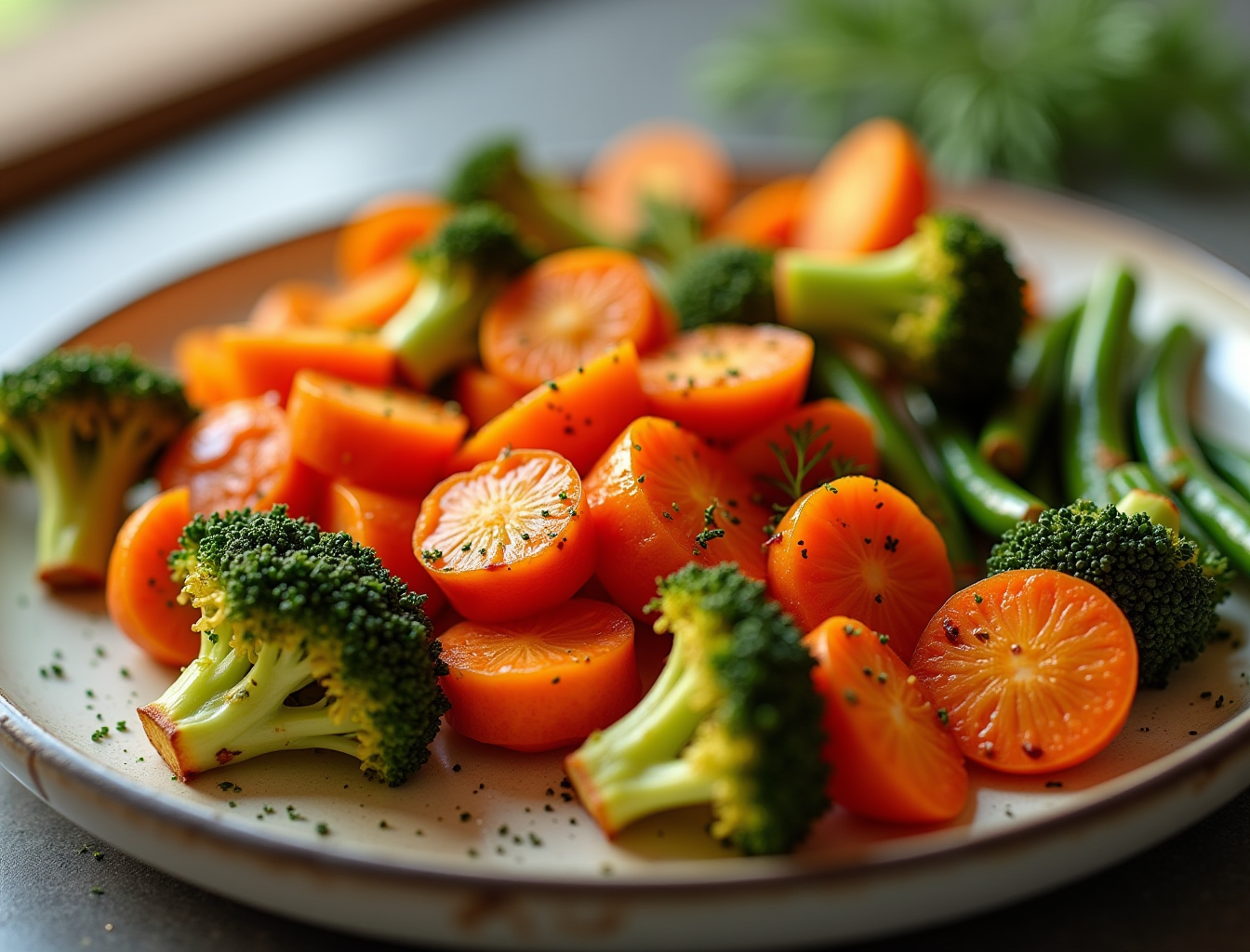
- Check for golden edges and desired tenderness. The visual cue is golden or lightly charred edges on broccoli and cauliflower, slightly wrinkled skins on Brussels sprouts, and a dried rather than wet surface on everything else.
- Season with salt and serve immediately. Salt draws moisture out of vegetables — adding it before cooking contributes to sogginess. Season after cooking for the best final texture.
Do You Need to Thaw Frozen Vegetables Before Air Frying?
No — and the answer is worth repeating emphatically: do not thaw. Cooking from frozen produces better texture, better caramelization, and less mess. When vegetables thaw before air frying, the released moisture makes the surface wet, and wet vegetables steam rather than roast. The air fryer’s high heat at 400°F evaporates the ice layer almost instantly when you cook from frozen, allowing the Maillard reaction (browning) to begin much sooner.
How Much Oil Should You Use for Frozen Vegetables?
Less than you think — 1 to 2 tablespoons for a 12-oz bag is the right range. Excess oil pools at the bottom of the basket and creates exactly the steaming environment you’re trying to avoid. The most even application is an oil spray bottle, which deposits a fine film on the surface of each frozen vegetable piece without pooling. If using liquid oil, pour it into the bowl and toss quickly before the ice melts.
Air Fryer Frozen Vegetable Cooking Times Chart
| Frozen Vegetable | Temperature | Time | Shake Frequency | Notes |
|---|---|---|---|---|
| Broccoli florets | 400°F | 10–12 min | Every 4 min | Most forgiving; great beginner choice |
| Cauliflower florets | 400°F | 12–15 min | Every 4 min | Cut large pieces smaller before air frying |
| Mixed vegetables (blend) | 400°F | 10–13 min | Every 4 min | Check frequently; piece sizes vary |
| Brussels sprouts (halved) | 400°F | 14–16 min | Every 5 min | Halve frozen sprouts; flat side down |
| Green beans | 400°F | 9–11 min | Every 4 min | Toss well in oil to prevent drying out |
| Corn kernels | 400°F | 8–10 min | Every 3 min | Char spots are excellent on corn |
| Edamame (shelled) | 400°F | 9–11 min | Every 4 min | Light oil spray; great snack |
| Peas | 390°F | 8–10 min | Every 3 min | Watch closely — very small, cook fast |
| Carrots (sliced) | 400°F | 13–16 min | Every 4 min | Add extra time; denser than most |
| Spinach / kale | Not recommended — becomes overly dry and bitter | |||
For fresh vegetable timing, see Air Fryer Vegetables. For a comprehensive multi-food reference, see the Air Fryer Cooking Times Chart.
What Are the Pro Tips for the Best Results?
- Never thaw first. This is the cardinal rule. Cooking straight from frozen is the entire reason this method works. Any amount of pre-thawing adds surface moisture that leads to steaming.
- Use oil spray rather than poured oil. An oil mister deposits a fine, even coating without the pooling effect that leads to steaming. This is especially important for delicate vegetables like green beans and peas.
- 400°F is the minimum temperature that works. Temperatures below 390°F produce more steam than roasting, particularly in the first few minutes when ice is evaporating. 400°F is the threshold where crisping happens faster than steaming.
- Shake more frequently than with fresh vegetables. Frozen vegetables stick together as they start to thaw. Shaking every 4 minutes (versus every 5 for fresh) prevents clumping and ensures even browning on all surfaces.
- Add salt after cooking, not before. Salt draws moisture out of food through osmosis. Adding salt to frozen vegetables before air frying adds an additional source of surface moisture. Season after cooking to preserve maximum crispiness.
What Are the Best Seasoning Ideas for Frozen Vegetables?
Lemon Garlic
After cooking, toss the hot vegetables with 1 tbsp melted butter or olive oil, 1 tsp lemon zest, 1 clove minced garlic (cooked briefly in the butter), and a handful of fresh flat-leaf parsley. The heat from the vegetables blooms the garlic and lemon without further cooking. This works especially well with broccoli, green beans, and asparagus.
Buffalo Style
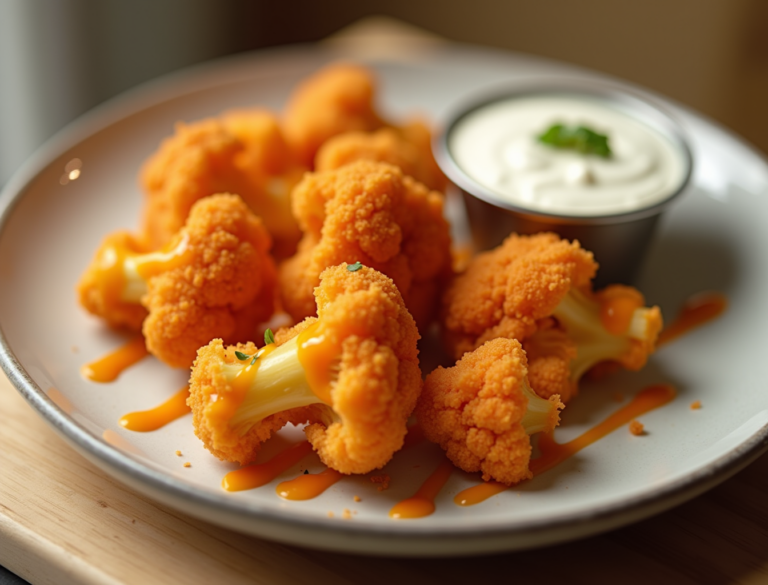
After cooking, toss with 2 tbsp of your preferred hot sauce and a light drizzle of ranch dressing. Serve immediately as a snack or as a punchy side dish. Cauliflower is the ideal vegetable for this variation — it soaks up the sauce while maintaining some texture.
Parmesan Herb
In the last 2 minutes of cook time, sprinkle 2 tbsp freshly grated parmesan over the vegetables. The high heat at 400°F melts the parmesan into a lightly browned crust on the vegetable surfaces. Finish with a pinch of dried oregano and cracked black pepper. This works best with broccoli, cauliflower, and mixed vegetable blends.
How Do You Store and Reheat Air Fried Frozen Vegetables?
Air fried frozen vegetables are best eaten immediately after cooking. Because they were frozen once already, the cell structure has been partially compromised, which means they don’t store as well as freshly prepared vegetables.
- Storage: If necessary, refrigerate in an airtight container for up to 2 days.
- Reheating: Air fryer at 380°F for 3–4 minutes to restore some crispiness. Expect results that are 70–80% as good as freshly cooked.
- Do not refreeze: Refreezing previously frozen and cooked vegetables degrades texture significantly. Cook only what you’ll eat.
Frequently Asked Questions About Frozen Vegetables in the Air Fryer
Do you need to thaw frozen vegetables before air frying?
No — cooking straight from frozen is the correct technique and produces better results. Thawing before air frying releases water from the vegetable cells onto the surface, which causes steaming instead of roasting when the vegetables hit the hot air fryer. The ice layer on frozen vegetables evaporates almost instantly at 400°F, allowing crisping to begin immediately.
What temperature should I use for frozen vegetables in the air fryer?
400°F is the recommended temperature for almost all frozen vegetables. This high heat quickly evaporates the ice layer and begins the caramelization process before significant steaming can occur. Temperatures below 390°F tend to produce mushy results because the moisture stays present too long before the heat can drive it off.
Why are my frozen air fryer vegetables soggy?
The four most common causes are: (1) thawing before cooking — always cook from frozen; (2) overcrowding the basket — single layer only; (3) temperature too low — stay at 400°F; (4) using too much oil — the excess liquid creates a steaming effect at the bottom of the basket. Fix any one of these and you’ll see a significant improvement.
Can I season frozen vegetables before air frying?
Yes for dry seasonings like garlic powder, onion powder, and paprika — these don’t contribute moisture. Hold off on salt until after cooking, since salt draws water out of the vegetable surface and can contribute to sogginess. Add salt, fresh lemon juice, and fresh herbs only after the vegetables come out of the basket.
How do I know when frozen air fryer vegetables are done?
Look for golden or lightly charred edges on broccoli and cauliflower, slightly wrinkled exteriors on Brussels sprouts and green beans, and a dry rather than wet surface on all vegetables. Pierce a piece with a fork — it should feel tender inside (not hard) but hold its shape when picked up. For most vegetables at 400°F, this happens between 10 and 15 minutes.
Sources: Perfect Air Fryer Frozen Vegetables — Nourished by Nic | Effortless Air Fryer Frozen Vegetables — The Belly Rules the Mind | Air Fryer Frozen Vegetables — Build Your Bite | Cooking Frozen Vegetables in an Air Fryer — Cook Smarts