How to Make Crispy Air Fryer Sausage (No Oil Needed!)
Why Is the Air Fryer the Best Way to Cook Sausage?
Air fryer sausage consistently outperforms pan-frying and oven roasting for one core reason: the circulating hot air browns the casing on all sides simultaneously without requiring you to roll the sausages around a skillet. In a pan, sausages need to be turned every 2–3 minutes to brown evenly — miss a rotation and you get pale, undercooked sections next to overcooked ones. In the oven, sausages take 20–25 minutes and still need flipping halfway through. The air fryer requires a single flip at the halfway point and delivers evenly golden, slightly crisp casings with juicy interiors in 10–12 minutes at 400°F.
PrintAir Fryer Sausage
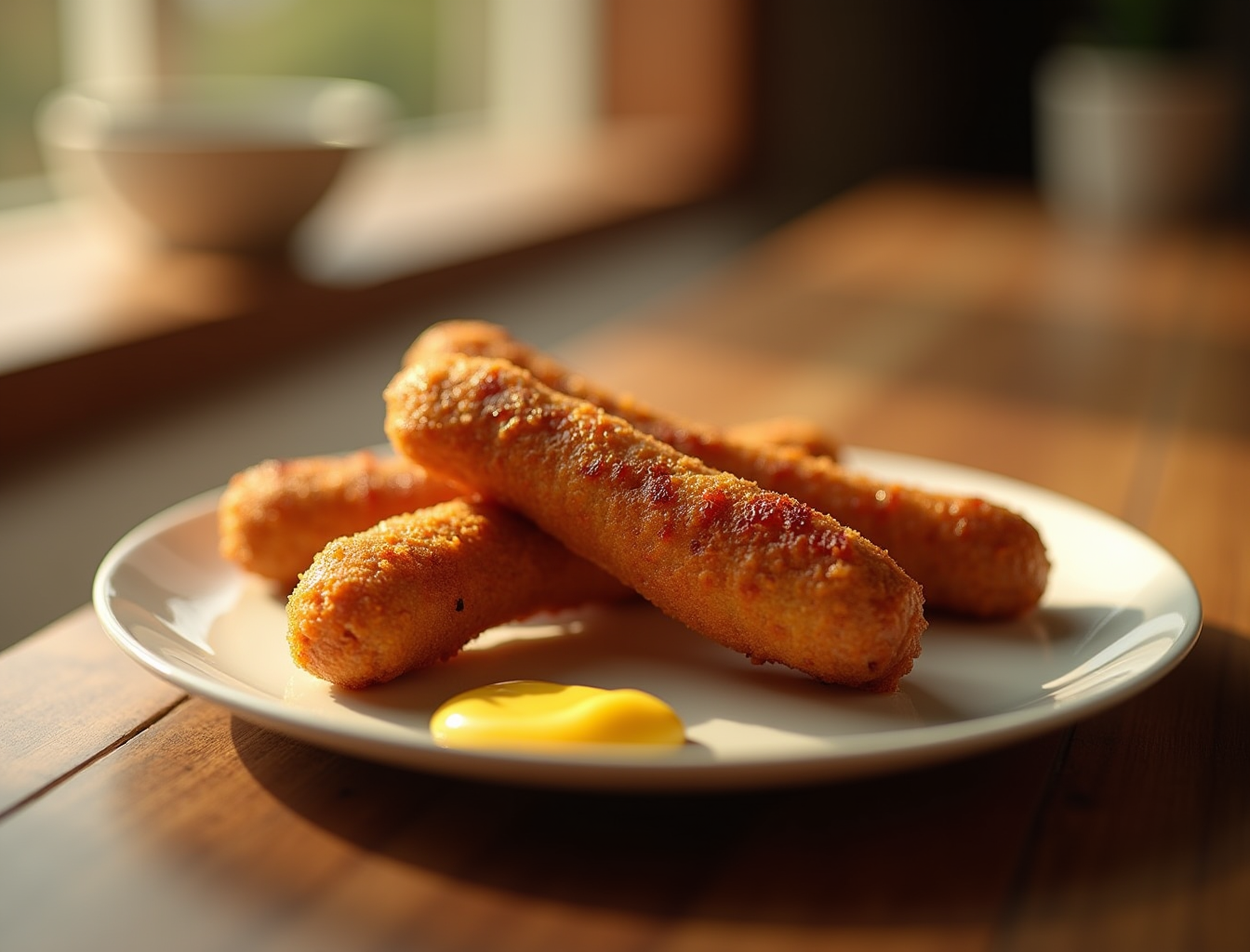
Crispy, evenly browned sausage links cooked in the air fryer without oil. Fat drips away from the sausages as they cook, producing juicy interiors with a golden casing in about 12 minutes.
- Prep Time: 5 minutes
- Cook Time: 12 minutes
- Total Time: 17 minutes
- Yield: 4 sausages 1x
- Category: Breakfast
- Method: Air Fryer
- Cuisine: American
Ingredients
- 4 sausages (pork, turkey, chicken, or Italian-style — fresh/raw, not pre-cooked)
- 1 tsp olive oil spray (optional, for extra crispiness)
- Garlic powder, black pepper, and smoked paprika to taste (optional, for additional seasoning)
Instructions
- Remove sausages from the refrigerator 5 minutes before cooking. Pat them completely dry with paper towels on all sides — surface moisture prevents proper browning. Optionally, lightly spray or brush with olive oil for extra casing crispness.
- Preheat the air fryer to 400°F (200°C) for 3–5 minutes. Place sausages in the basket in a single layer, leaving at least ½ inch of space between each sausage so they do not touch.
- Cook at 400°F for 5–6 minutes, then open the basket and flip each sausage with tongs. Continue cooking for an additional 5–6 minutes (12–14 minutes for larger bratwurst-style sausages).
- Insert an instant-read thermometer into the thickest part of the sausage from the end so the probe reaches the center. Pork and beef sausages must reach 160°F (71°C); chicken and turkey sausages must reach 165°F (74°C). Do not rely on exterior color alone.
- Remove sausages from the air fryer and rest on a plate for 2–3 minutes before cutting or serving to allow juices to redistribute.
Notes
Pat sausages completely dry before cooking — this single step makes the biggest difference in how well the casing browns.
For thicker sausages (bratwurst, Italian links), score the casing with 3–4 shallow diagonal cuts about ⅛ inch deep to improve fat rendering and create crispy edges at each cut.
Basket-style air fryers circulate air around the entire sausage and produce more even browning than oven-style air fryers with flat trays. If using an oven-style unit, use the elevated wire rack rather than the solid tray.
If cooking from frozen, add 3–4 minutes to the total cook time and always verify doneness with a thermometer — the exterior browns faster than the interior cooks through.
There is also a practical fat-management advantage. Sausages are high in fat, and pan-frying them means the sausage sits in its own rendered fat throughout cooking — essentially becoming half-fried. The air fryer basket allows fat to drip away from the sausages as it renders, which produces a less greasy result and reduces spattering. For anyone cooking sausage regularly, this also means a cleaner cooktop and a faster cleanup routine.
How Does Air Fryer Sausage Compare to Other Methods?
| Method | Total Time | Fat Rendering | Evenness | Hands-On Effort |
|---|---|---|---|---|
| Air Fryer | 10–12 min | Fat drips away | Excellent | Flip once |
| Pan-Frying | 12–15 min | Sits in fat | Good (if attentive) | Constant turning |
| Oven Roasting | 20–25 min | Moderate | Good | Flip halfway |
| Grill | 10–15 min | Fat drips away | Good (weather-dependent) | Regular turning |
| Boiling then pan-fry | 20–25 min | Variable | Good | Multi-step process |
What Do You Need to Make Air Fryer Sausage?
Ingredients
- 4 sausages (pork, turkey, chicken, or Italian-style — fresh/raw, not pre-cooked)
- Optional: 1 tsp olive oil spray for extra crispiness
- Optional: garlic powder, black pepper, smoked paprika for additional seasoning
Tools Needed
- Air fryer (basket or oven-style)
- Instant-read meat thermometer — essential for food safety
- Tongs for flipping
- Paper towels for patting sausages dry before cooking
The thermometer is not optional. Sausage casing browns quickly and can look done on the outside while the interior is still raw. The only reliable way to confirm doneness is internal temperature — and given the food safety stakes, this is worth the extra 10-second check.
How Do You Cook Sausage in the Air Fryer Step by Step?
Step 1: Prep the Sausages
Remove sausages from the refrigerator 5 minutes before cooking. Pat them dry with paper towels — surface moisture on the casing prevents proper browning. If you want extra crispness on the casing, lightly spray or brush the sausages with a thin coat of olive oil before placing them in the basket. This is optional but noticeable, especially for sausages with a natural casing (the oil helps the casing blister and crisp rather than stay smooth).
Step 2: Preheat and Arrange
Preheat the air fryer to 400°F (200°C) for 3–5 minutes. Place sausages in the basket in a single layer, leaving at least ½ inch of space between each sausage. Do not allow sausages to touch each other — contact points create steam pockets that prevent browning and result in soft patches on the casing.
Step 3: Cook and Flip
Cook at 400°F for 5–6 minutes. Open the basket and flip each sausage with tongs. Continue cooking for an additional 5–6 minutes. Total cook time is 10–12 minutes for standard-size fresh pork or turkey sausages. Larger sausages (e.g., bratwurst-style at 3+ oz each) will need 12–14 minutes.
Step 4: Check Internal Temperature
This is the critical step. Insert an instant-read thermometer into the thickest part of the sausage, parallel to its length (inserting from the end), so the probe tip reaches the center. According to the USDA Food Safety and Inspection Service:
- Pork and beef sausages: minimum internal temperature of 160°F (71°C)
- Chicken and turkey sausages: minimum internal temperature of 165°F (74°C)
Do not rely on the color of the exterior or interior — sausage can appear browned on the outside and still be undercooked at the center. Always verify with a thermometer.
Step 5: Rest and Serve
Remove sausages from the air fryer and let them rest on a plate for 2–3 minutes before cutting or serving. Resting allows the internal juices to redistribute — cutting immediately causes them to run out, leaving a drier sausage. The casing will also firm up slightly during the rest period.
Cooking Time Reference Chart
| Sausage Type | Size / Weight | Temperature | Time | Safe Internal Temp |
|---|---|---|---|---|
| Fresh pork sausage links | 1.5–2 oz each | 400°F (200°C) | 10–12 min | 160°F (71°C) |
| Bratwurst / Italian sausage | 3–4 oz each | 400°F (200°C) | 12–14 min | 160°F (71°C) |
| Chicken or turkey sausage | 2–3 oz each | 400°F (200°C) | 10–12 min | 165°F (74°C) |
| Breakfast sausage patties | 1.5 oz each | 400°F (200°C) | 8–10 min | 160°F (71°C) |
| Frozen sausage links (from frozen) | 1.5–2 oz each | 400°F (200°C) | 13–15 min | 160°F (71°C) |
For a complete reference of air fryer cooking times across 100+ foods, see our air fryer cooking times chart.
What Are the Pro Tips for Getting Crispy, Juicy Air Fryer Sausage?
Pat Them Completely Dry Before Cooking
This single step makes a measurable difference in how well the casing browns. Sausage casings, especially natural ones, hold moisture from packaging. Any surface water creates steam during the first few minutes of cooking, which softens the casing instead of allowing it to crisp. Press the paper towel firmly against each sausage and rotate to dry all sides before placing in the basket.
Score the Casing for Faster Fat Rendering
For thicker sausages (bratwurst, Italian links), use a sharp knife to make 3–4 shallow diagonal cuts on each sausage, cutting about ⅛ inch deep. This does two things: it allows internal fat to render outward more easily, and it creates crisped edges at each score line that add texture. Do not cut all the way through — you want the sausage intact to hold in the juices.
Use a Basket, Not an Oven Tray, for Best Results
Basket-style air fryers circulate air around the entire sausage (top, bottom, and sides). Oven-style air fryers with flat trays produce less even browning on the bottom because the tray blocks airflow. If you have an oven-style air fryer, use the elevated wire rack rather than the solid tray to maximize air circulation.
Do Not Cook Straight from Frozen Unless Necessary
Frozen sausages placed directly in the air fryer will have water ice forming on the exterior as they defrost, which creates steam and prevents browning for the first several minutes. If you have time, thaw overnight in the refrigerator. If cooking from frozen, add 3–4 minutes to the cook time and check internal temperature carefully — the exterior will look done well before the interior has reached safe temperature.
What Are the Best Flavor Variations for Air Fryer Sausage?
Breakfast-Style: Sausage with Hash Browns and Eggs
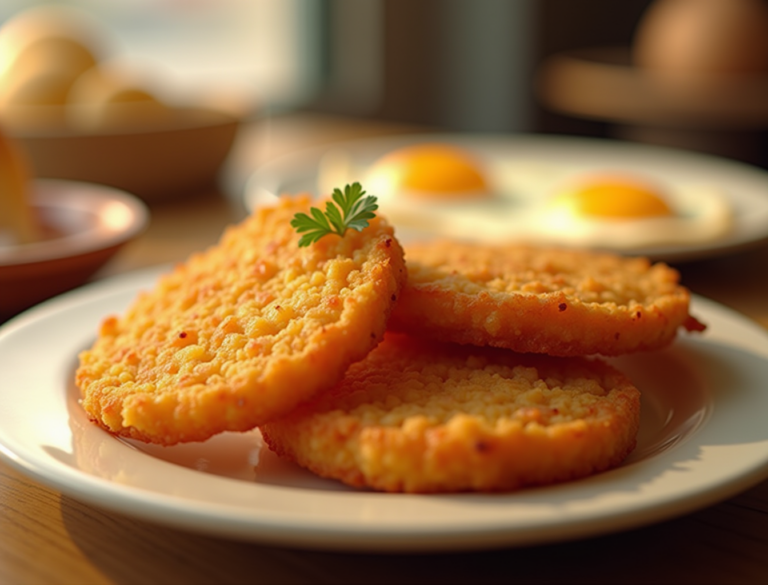
Cook sausage links in the air fryer at 400°F for 10 minutes. In the last 5 minutes of cooking, add frozen hash brown patties alongside the sausages in the basket (use a larger air fryer or cook in two batches if space is limited). Serve with air fryer eggs (see our air fryer eggs guide) for a complete breakfast cooked almost entirely in one appliance.
Spicy Chili-Glazed Sausage
At the 8-minute mark (2–3 minutes before the sausages are done), mix 1 tbsp of sriracha with 1 tsp of honey and brush it over each sausage. Continue cooking for the remaining 2–3 minutes. The sugars in the honey caramelize quickly in the air fryer, creating a sticky, lacquered exterior with a heat-sweet balance. Watch carefully in the final minutes — glazed sausages can burn faster than plain ones due to the sugar content.
Sausage and Peppers (Air Fryer Style)
Slice 1 bell pepper and ½ onion into strips. Toss vegetables with 1 tsp olive oil, salt, and pepper. Add sliced vegetables to the air fryer basket alongside whole sausages. Cook at 400°F for 12–14 minutes, shaking the basket at the halfway point to redistribute the vegetables. The vegetables soften and pick up char from the air fryer while the sausage cooks through simultaneously. Serve over crusty bread or polenta.
How Do You Store and Reheat Air Fryer Sausage?
Refrigerator storage: Cooked sausages keep well in an airtight container for 3–4 days in the refrigerator. Allow them to cool completely before sealing to prevent condensation from softening the casings.
Freezer storage: Cooked sausages can be frozen for up to 2 months. Freeze on a sheet pan in a single layer until solid, then transfer to a zip-lock freezer bag to prevent them from sticking together. Label with the date.
Reheating: The air fryer is the best reheating method. Place refrigerated sausages in the air fryer at 350°F (175°C) for 3–5 minutes. Frozen cooked sausages reheat at 350°F for 6–8 minutes. The air fryer restores the casing’s crispness in a way that the microwave cannot — microwaved sausages become rubbery and release moisture that softens the exterior.
Frequently Asked Questions About Air Fryer Sausage
Can I cook frozen sausages directly in the air fryer?
Yes. Place frozen sausage links directly in the basket at 400°F and add 3–5 minutes to the standard cooking time. For standard-size links (1.5–2 oz), frozen sausages will need approximately 13–15 minutes total. The important caveat: the exterior will reach 160°F-looking browness well before the interior is safe. Always verify internal temperature with a thermometer — frozen sausages are especially deceptive because ice formation on the exterior creates an insulating barrier that slows core heating. The USDA recommends 160°F for ground pork sausage regardless of cooking method.
What is the safest internal temperature for sausage?
According to the USDA FSIS Safe Minimum Internal Temperature Chart, pork and beef sausages must reach 160°F (71°C), and poultry sausages (chicken, turkey) must reach 165°F (74°C). There is no rest time required after reaching these temperatures for ground meat products. Whole-muscle pork cuts (chops, roasts) now have a revised safe temperature of 145°F with a 3-minute rest — but this does not apply to sausages, which are ground meat products and require the higher 160°F threshold.
Can I use the air fryer basket or tray for sausage?
Both work, but baskets produce better results for sausage. The basket design allows hot air to circulate completely around each sausage, browning all surfaces including the underside. Flat trays in oven-style air fryers block airflow to the bottom of the sausage, producing uneven browning — the top crisps but the bottom stays paler. If you only have an oven-style air fryer with trays, use the elevated wire rack insert rather than the flat tray. This raises the sausages off the surface and allows some airflow below.
Why did my sausage casings split open in the air fryer?
Sausage casings split when internal pressure builds faster than the casing can accommodate it. This happens when the air fryer temperature is too high (above 400°F) or when thick sausages cook too quickly on the outside while the inside is still cold and expanding rapidly. Solutions: lower the temperature to 375°F and extend the time by 2–3 minutes, or score the casings with 3–4 shallow cuts before cooking to give the expanding meat a controlled release point. Natural casings split more easily than collagen casings — if your sausages consistently split, switching to collagen-cased varieties gives more predictable results.
Can I cook sausage and vegetables together in the air fryer at the same time?
Yes, with some planning. Most vegetables (peppers, onions, zucchini, cherry tomatoes) cook well alongside sausage at 400°F. The key is cutting vegetables into pieces roughly sized so they finish cooking at the same time as the sausage. Dense vegetables like thick potato chunks or whole mushrooms will need more time — add them to the basket 3–5 minutes before the sausages. Thin, quick-cooking vegetables like asparagus or spinach will burn if added at the start — add them in the last 4–5 minutes. Shake the basket once during cooking to redistribute vegetables and ensure even browning.